
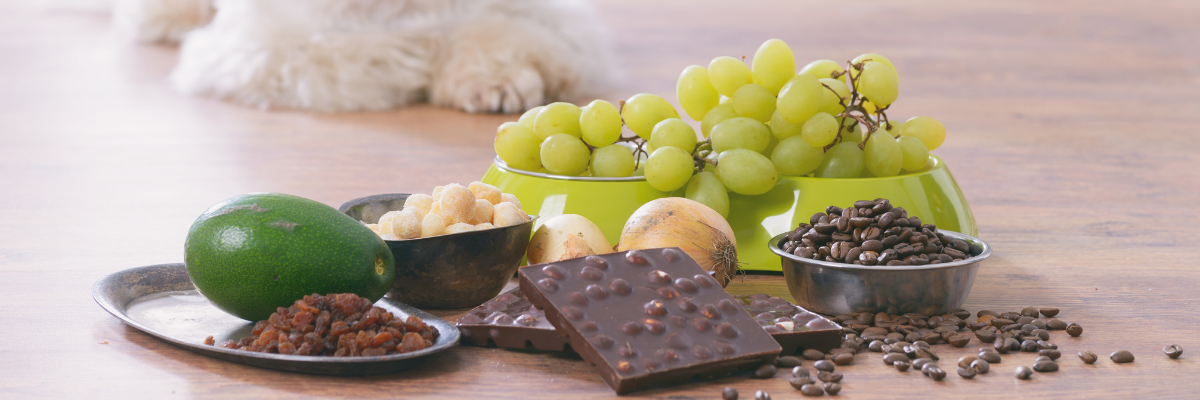
We all love spoiling our pets with treats and sharing a bit of our lives with them. But sometimes, that innocent gesture can turn into a serious health hazard. Many seemingly harmless foods in our kitchens and pantries are actually toxic to dogs and cats, leading to discomfort, illness, or even life-threatening situations. Understanding these dangers is crucial for keeping your beloved companions safe and healthy.
Chocolate: The Sweet Treat That’s Bitter for Pets
Oh, chocolate. The temptation is real, both for humans and our furry friends! But this delicious treat is a major no-no for pets, especially dogs. The culprit? Theobromine, a stimulant found in chocolate that’s similar to caffeine.
- Why is it toxic? Pets metabolize theobromine much slower than humans, leading to a buildup in their system. This can cause hyperactivity, vomiting, diarrhea, increased heart rate, seizures, and even death.
- Dark chocolate is the worst offender: It contains significantly higher levels of theobromine than milk chocolate or white chocolate.
- What to do if your pet eats chocolate: Contact your veterinarian immediately! They will determine the best course of action based on the amount and type of chocolate consumed, as well as your pet’s size and overall health.
Onions and Garlic: Flavor Boosters That Can Cause Anemia
Onions and garlic are staples in many of our favorite dishes, adding depth and flavor. However, these members of the Allium family are toxic to both dogs and cats, regardless of whether they’re raw, cooked, powdered, or dehydrated.
- The problem: Onions and garlic contain N-propyl disulfide, a compound that damages red blood cells. This can lead to a condition called hemolytic anemia, where the red blood cells are destroyed faster than they can be replaced.
- Symptoms of onion/garlic toxicity: Weakness, lethargy, pale gums, vomiting, diarrhea, and difficulty breathing.
- Even small amounts can be harmful: Repeated exposure to small amounts of onions or garlic can have a cumulative effect, eventually leading to anemia. Be wary of ingredients in baby food or other processed foods that might contain onion or garlic powder.
Grapes and Raisins: A Mysterious Threat
Grapes and raisins are often seen as healthy snacks for humans, but they pose a significant and potentially fatal threat to dogs. The exact toxic substance is still unknown, making it even more concerning.
- The unknown danger: Despite extensive research, the specific compound in grapes and raisins that causes toxicity remains a mystery.
- Kidney failure is the main concern: Ingesting grapes or raisins can lead to acute kidney failure in dogs.
- Symptoms of grape/raisin toxicity: Vomiting, diarrhea, lethargy, loss of appetite, abdominal pain, and decreased urination.
- Any amount is potentially dangerous: Even a small number of grapes or raisins can be toxic to some dogs.
Xylitol: The Sugar Substitute That’s Deadly
Xylitol is an artificial sweetener commonly found in sugar-free gum, candy, baked goods, toothpaste, and even some peanut butter brands. While safe for humans, it’s extremely toxic to dogs.
- Rapid insulin release: Xylitol causes a rapid release of insulin in dogs, leading to a dangerous drop in blood sugar levels (hypoglycemia).
- Liver failure: In higher doses, xylitol can also cause liver failure.
- Symptoms of xylitol toxicity: Weakness, tremors, seizures, vomiting, collapse, and jaundice (yellowing of the skin and eyes).
- Check labels carefully: Always read the ingredient list of any product before giving it to your pet, especially peanut butter.
Alcohol: A Definite No-No for Pets
Alcohol is harmful to pets, just as it is to humans, but their smaller size makes them much more susceptible to its toxic effects.
- Central nervous system depression: Alcohol can depress the central nervous system, leading to incoordination, slowed breathing, and decreased heart rate.
- Liver and brain damage: Alcohol can also damage the liver and brain.
- Symptoms of alcohol poisoning: Vomiting, diarrhea, incoordination, tremors, difficulty breathing, coma, and even death.
- Avoid leaving alcoholic beverages unattended: Be extra careful during parties and gatherings to prevent your pet from accidentally ingesting alcohol.
Avocado: A Complicated Case
Avocados are generally considered healthy for humans, but their safety for pets is a bit more complicated.
- Persin: Avocados contain a fungicidal toxin called persin, which is generally harmless to humans but can be toxic to some animals, including birds, rabbits, and livestock.
- Dogs and cats are generally more resistant: While persin can cause vomiting and diarrhea in dogs and cats, it’s usually not life-threatening.
- The pit is a choking hazard: The avocado pit is a significant choking hazard and can also cause intestinal blockages.
- High fat content: Avocados are high in fat, which can lead to pancreatitis in some pets.
Macadamia Nuts: A Mystery with Unpleasant Symptoms
Macadamia nuts are another food that can cause toxicity in dogs, although the exact mechanism is unknown.
- Unknown toxin: Similar to grapes and raisins, the specific toxic substance in macadamia nuts is still a mystery.
- Symptoms of macadamia nut toxicity: Weakness, tremors, vomiting, fever, and hind limb paralysis.
- Usually not fatal: While unpleasant, macadamia nut toxicity is usually not fatal, and most dogs recover within 24-48 hours.
Raw Dough: A Rising Problem in the Stomach
Raw dough containing yeast can be dangerous for pets because the yeast continues to ferment in their stomach.
- Alcohol production: The fermentation process produces alcohol, which can lead to alcohol poisoning.
- Stomach expansion: The dough can also expand in the stomach, causing bloating and pain, and potentially even a ruptured stomach.
- Symptoms of raw dough ingestion: Vomiting, abdominal pain, bloating, incoordination, and depression.
Bones: A Potential Choking Hazard
While the image of a dog happily gnawing on a bone is iconic, cooked bones can be extremely dangerous.
- Splintering: Cooked bones are brittle and can easily splinter, causing cuts and punctures in the mouth, throat, and digestive tract.
- Choking hazard: Bone fragments can also become lodged in the throat, causing choking.
- Intestinal blockage: Bone fragments can accumulate in the intestines, leading to a blockage that requires surgery.
- Raw bones are generally safer (with supervision): If you choose to give your dog bones, raw bones are generally safer than cooked bones, as they are less likely to splinter. Always supervise your dog while they are chewing on a bone.
Milk and Dairy Products: A Lactose Intolerance Issue
Many adult dogs and cats are lactose intolerant, meaning they lack the enzyme lactase needed to digest lactose, the sugar found in milk.
- Digestive upset: Consuming milk or dairy products can lead to vomiting, diarrhea, and abdominal discomfort.
- Not all dairy is created equal: Some dairy products, like yogurt and cheese, contain less lactose and may be tolerated better than milk.
Coffee and Caffeine: A Jittery Disaster
Just like chocolate, coffee and other caffeinated beverages contain stimulants that are toxic to pets.
- Increased heart rate and blood pressure: Caffeine can cause an increased heart rate, elevated blood pressure, hyperactivity, tremors, and seizures.
- Symptoms of caffeine toxicity: Restlessness, rapid breathing, vomiting, diarrhea, increased thirst, and potentially death.
- Avoid letting pets lick up spills: Be careful to clean up any spills of coffee, tea, or energy drinks immediately.
Salty Snacks: A Dehydration Danger
While a few potato chips might seem harmless, excessive salt intake can be dangerous for pets.
- Dehydration: High salt intake can lead to dehydration.
- Sodium ion poisoning: In severe cases, it can cause sodium ion poisoning, which can damage the kidneys and other organs.
- Symptoms of sodium ion poisoning: Vomiting, diarrhea, lethargy, tremors, seizures, and coma.
- Provide fresh water: If your pet accidentally consumes a salty snack, make sure they have plenty of fresh water available.
Frequently Asked Questions
- What should I do if my pet eats something toxic?
Contact your veterinarian or an animal poison control center immediately. Time is of the essence. - How much of a toxic food is dangerous?
The amount that is dangerous depends on the specific food, the size of your pet, and their individual sensitivity. - Can I induce vomiting at home?
Consult your veterinarian before inducing vomiting. It may not be safe in all situations. - Are there any foods that are safe to share with my pet?
Yes, many fruits and vegetables are safe in moderation, such as carrots, blueberries, and cooked sweet potatoes. Always research before offering new foods. - How can I prevent my pet from eating toxic foods?
Keep toxic foods out of reach, store them in secure containers, and educate yourself about potential dangers.
Keeping Your Furry Friend Safe
Knowing which foods are toxic to pets is the first step in protecting them from harm. By keeping these items out of reach and being vigilant about what your pet consumes, you can ensure a long, happy, and healthy life for your beloved companion. Remember, when in doubt, always consult with your veterinarian.