
Fueling Their Best Life: Unlocking Your Pet’s Nutritional Needs
Watching our beloved pets thrive brings immense joy, and at the heart of their vitality lies a proper diet. Understanding your furry friend’s nutritional requirements isn’t just about filling a bowl; it’s about providing the precise building blocks for their health, happiness, and longevity. This journey into pet nutrition will empower you to make informed choices, ensuring your companion receives exactly what they need to live their best, most vibrant life.
Let’s Talk Core Nutrients: The Building Blocks of Health
Just like us, our pets need a balanced mix of nutrients to function optimally. Think of these as the essential ingredients in their daily recipe for health. There are six main categories, each playing a crucial role, and getting the balance right is key.
-
Proteins: The Mighty Muscle Builders
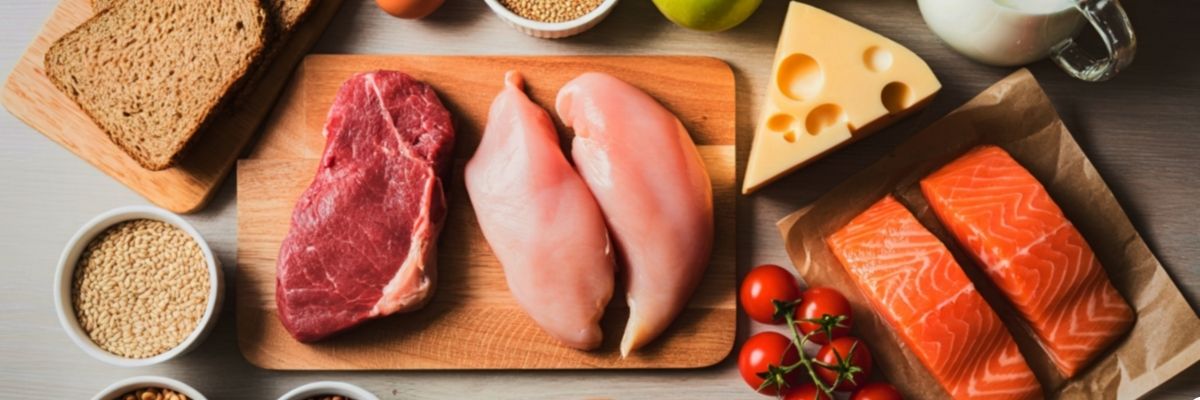
Protein is absolutely fundamental. It’s not just for big muscles; it’s essential for everything from building and repairing tissues, creating enzymes and hormones, to supporting a strong immune system. For cats, protein is an even bigger deal – they’re obligate carnivores, meaning a significant portion of their diet must come from animal-based protein sources. Dogs, while omnivores, still thrive on high-quality protein.- Good sources: Chicken, beef, lamb, fish, eggs, and specific plant-based proteins for dogs (like soy or lentils, though animal sources are generally preferred).
- What to look for: High-quality, digestible protein listed among the first few ingredients on pet food labels.
-
Fats: Energy Powerhouses and More
Fats often get a bad rap, but they are incredibly important for pets! They’re a concentrated source of energy, help absorb fat-soluble vitamins (A, D, E, K), protect organs, and contribute to healthy skin and a shiny coat. Essential fatty acids, like Omega-3 and Omega-6, are particularly vital for brain development, joint health, and reducing inflammation.- Good sources: Chicken fat, fish oil, flaxseed oil, sunflower oil.
- What to look for: Balanced levels of essential fatty acids for skin and coat health.
-
Carbohydrates: Fuel for Daily Adventures (and then some)
While often debated, carbohydrates provide readily available energy for your pet’s daily activities, especially for dogs. They also offer fiber, which is crucial for digestive health, helping to regulate bowel movements and support a healthy gut microbiome. For cats, carbs are less critical than protein and fat, but they can still be a beneficial energy source in appropriate amounts.- Good sources: Sweet potatoes, rice, barley, oats, peas, corn (when processed correctly, corn can be a digestible energy source, despite common misconceptions).
- What to look for: Complex carbohydrates that provide sustained energy and fiber.
-
Vitamins: The Tiny Health Boosters
These organic compounds are needed in small amounts but are absolutely vital for countless bodily functions. They support vision, bone growth, immune function, and energy metabolism, to name just a few. Examples include Vitamin A for vision, Vitamin D for bone health, and B vitamins for energy.- Key takeaway: A balanced commercial diet should provide all necessary vitamins. Avoid over-supplementing without vet guidance, as some vitamins can be toxic in excess.
-
Minerals: The Unsung Heroes
Minerals are inorganic substances essential for bone and teeth formation, fluid balance, nerve function, and carrying oxygen in the blood. Calcium and phosphorus are crucial for skeletal health, while iron is vital for oxygen transport.- Key takeaway: Like vitamins, minerals are usually well-balanced in quality pet foods. Imbalances can be harmful, so stick to vet-approved diets.
-
Water: The Ultimate Essential
This might seem obvious, but water is arguably the most critical nutrient. It’s involved in every single bodily process: nutrient transport, temperature regulation, digestion, waste elimination, and joint lubrication. Your pet can go days without food but only a short time without water.- What to do: Always ensure a constant supply of fresh, clean water. Change it daily, and consider multiple water stations or a pet fountain to encourage drinking.
Your Pet Isn’t Just “A Pet”: Species-Specific Superpowers
Here’s where things get really interesting! What’s perfect for a dog might be harmful to a cat, and vice-versa. Understanding these fundamental differences is critical.
-
Cats: The True Carnivores at Heart
Cats are obligate carnivores. This means their bodies are specifically adapted to process and thrive on a diet primarily of animal protein and fat. They have unique metabolic pathways and require certain nutrients only found in animal tissues.- Key Needs:
- High animal protein: Much higher requirements than dogs.
- Taurine: An essential amino acid found almost exclusively in animal protein. A deficiency can lead to serious heart problems (dilated cardiomyopathy) and blindness.
- Arachidonic acid: An essential fatty acid also found only in animal fat.
- Preformed Vitamin A: Cats cannot convert beta-carotene from plants into usable Vitamin A.
- Niacin (Vitamin B3): They need more niacin than dogs.
- What this means for you: Always feed a cat-specific diet. Never feed dog food to a cat long-term.
- Key Needs:
-
Dogs: The Adaptable Omnivores
Dogs, while sharing an ancestry with wolves, have evolved alongside humans to become omnivores. This means they can digest and utilize nutrients from both animal and plant sources. Their digestive system is more flexible, allowing them to process a wider range of foods.- Key Needs:
- Balanced protein, fat, and carbohydrates: While animal protein is great, they can also derive energy and nutrients from plant sources.
- Fiber: Beneficial for their digestive health.
- Ability to synthesize certain nutrients: Unlike cats, dogs can convert plant-based beta-carotene into Vitamin A and synthesize some taurine.
- What this means for you: You have more options, but a high-quality, balanced dog food designed for their life stage is still paramount.
- Key Needs:
Life Stages Matter: Growing Up, Slowing Down, and Everything In Between
A puppy or kitten has vastly different needs than a senior pet or a pregnant mother. Tailoring their diet to their life stage is crucial for optimal development and health.
-
Puppies & Kittens: The Growth Spurt Years
These little bundles of energy are growing at an incredible rate! They need more calories, protein, fat, and specific minerals (like calcium and phosphorus) to support rapid development of bones, muscles, and organs.- Look for: Formulas specifically labeled “puppy” or “kitten” or “all life stages.” These will have higher energy and nutrient densities.
-
Adults: Maintaining the Balance
Once they reach maturity (usually around 1 year for small dogs, up to 2 for large breeds, and around 1 year for cats), their growth slows down. The focus shifts to maintenance – providing enough energy for daily activities without overfeeding, which can lead to obesity.- Look for: “Adult maintenance” formulas. Calorie needs will vary greatly based on activity level, breed, and metabolism.
-
Seniors: Graceful Aging
As pets age, their metabolism often slows, they may become less active, and their organ function can change. Senior diets often have fewer calories to prevent weight gain, higher levels of joint-supporting nutrients (like glucosamine and chondroitin), and sometimes adjusted protein and phosphorus levels to support kidney health.- Look for: “Senior” or “mature adult” formulas. Your vet can guide you on the best time to transition.
-
Pregnant & Lactating Pets: Nurturing New Life
This is a period of immense nutritional demand! Pregnant and nursing mothers need significantly more calories, protein, and fat to support fetal development and milk production.- Look for: Often, “puppy” or “kitten” formulas are recommended during this time due to their higher nutrient density, but always consult your vet.
When Things Get Tricky: Special Dietary Considerations
Sometimes, our pets face health challenges that require a specialized approach to their diet.
-
Food Allergies & Sensitivities:
Just like humans, pets can develop adverse reactions to certain ingredients, often proteins like chicken, beef, or dairy. Symptoms can include itchy skin, ear infections, vomiting, or diarrhea.- Solution: Your vet might recommend an elimination diet using novel protein sources (like duck or venison) or hydrolyzed proteins (where proteins are broken down to be less allergenic).
-
Weight Management: The Battle of the Bulge
Obesity is a widespread problem in pets, leading to serious health issues like diabetes, arthritis, and heart disease.- Solution: Reduced-calorie or “light” formulas are designed to help pets lose weight while still feeling full and getting adequate nutrients. Portion control and increased exercise are also crucial.
-
Specific Health Conditions (Kidney, Diabetes, etc.):
Many chronic illnesses require very specific dietary adjustments.- Kidney Disease: Often requires lower protein and phosphorus to reduce the workload on the kidneys.
- Diabetes: Typically needs diets with controlled carbohydrate levels and high fiber to help regulate blood sugar.
- Urinary Tract Issues: May require diets that alter urine pH or have controlled mineral levels to prevent stone formation.
- Important: These therapeutic diets are prescription-only and must be recommended and monitored by your veterinarian.
Decoding the Bag: What Those Labels Really Mean
Pet food labels can look like a foreign language, but understanding a few key sections empowers you to make smarter choices.
-
Ingredient List:
Ingredients are listed by weight, starting with the heaviest. Look for named meat sources (e.g., “chicken,” “lamb meal”) as the first few ingredients. Generic terms like “meat by-products” aren’t necessarily bad, but specific names give you a clearer picture.- Myth Buster: “By-products” often include nutrient-rich organ meats. It’s the quality and digestibility that matter, not just the name.
-
Guaranteed Analysis:
This section tells you the minimum percentages of crude protein and crude fat, and maximum percentages of crude fiber and moisture. It’s a snapshot, but doesn’t tell you the quality or digestibility of those nutrients.- Tip: To compare dry matter percentages across wet and dry foods, you’ll need to do a little math to account for moisture content.
-
AAFCO Statement:
This is the most important part of the label! The Association of American Feed Control Officials (AAFCO) sets nutritional standards for pet food.- Look for: A statement like “[Product Name] is formulated to meet the nutritional levels established by the AAFCO Dog/Cat Food Nutrient Profiles for [Life Stage, e.g., maintenance, growth, or all life stages].”
- This statement confirms the food is nutritionally complete and balanced for the specified life stage. Without it, the food might be a treat or supplemental only.
Homemade vs. Commercial: Weighing Your Options
The desire to provide the “best” for our pets often leads us to consider homemade diets. But is it always the right choice?
-
Commercial Diets (The Pros):
- Convenience: Ready to serve, easy to store.
- Nutritionally complete and balanced: Reputable brands follow AAFCO guidelines, ensuring all essential nutrients are present in the right ratios.
- Quality control: Manufacturers are subject to regulations and testing.
- Variety: Options for different life stages, breeds, and health conditions.
-
Homemade Diets (The Cons & Cautions):
- Risk of nutritional imbalance: It’s incredibly difficult to formulate a diet that is truly complete and balanced without expert veterinary nutritional guidance. Deficiencies or excesses can lead to serious health problems over time.
- Time-consuming: Requires significant effort in sourcing ingredients, preparing, and balancing meals.
- Cost: Can often be more expensive than commercial options.
- Food safety: Risk of bacterial contamination if not handled or stored properly.
- Recommendation: If you’re considering a homemade diet, work closely with a board-certified veterinary nutritionist to ensure it meets all your pet’s needs.
Supplements: Are They Really Necessary?
The supplement aisle can be overwhelming! For most healthy pets on a complete and balanced commercial diet, supplements are generally not necessary. Their food already provides everything they need.
- When they might be helpful (under vet guidance):
- Joint support: For older pets or those with arthritis (e.g., glucosamine, chondroitin).
- Skin and coat issues: Omega-3 fatty acids for dry, itchy skin.
- Digestive problems: Probiotics for gut health.
- Specific deficiencies: Identified by a vet through testing.
- Caution: Never give human supplements without vet approval. Over-supplementation can be dangerous and lead to toxicity, especially with fat-soluble vitamins.
Your Vet: Your Ultimate Nutrition Guru
Navigating the world of pet nutrition can feel like a lot, but you don’t have to do it alone. Your veterinarian is your most valuable resource. They know your pet’s individual health history, lifestyle, and unique needs. They can help you:
- Assess your pet’s body condition score.
- Recommend appropriate food for their life stage and activity level.
- Diagnose and manage food allergies or sensitivities.
- Prescribe therapeutic diets for specific health conditions.
- Advise on supplements, if truly needed.
- Provide guidance on safe and balanced homemade diets (if that’s the path you choose).
Frequently Asked Questions
- How often should I feed my pet?
Most adult pets do well with two meals a day, but puppies/kittens might need 3-4, and seniors or those with health issues may benefit from smaller, more frequent meals. - Is grain-free food better for my pet?
Not necessarily; unless your pet has a diagnosed grain allergy, grains provide valuable nutrients and energy, and grain-free diets have been linked to potential heart issues in some dogs. - Should I feed wet food or dry food?
Both can be nutritionally complete; wet food can aid hydration, while dry food can help with dental health and is often more convenient. - How do I switch my pet’s food?
Gradually transition over 7-10 days, mixing increasing amounts of the new food with decreasing amounts of the old food to avoid digestive upset. - Are raw diets safe for my pet?
Raw diets carry risks of nutritional imbalance and bacterial contamination for both pets and humans; always consult your vet before considering one. - How many treats can I give my pet?
Treats should make up no more than 10% of your pet’s daily caloric intake to prevent nutritional imbalance and weight gain. - My pet is a picky eater, what should I do?
Rule out underlying health issues with your vet first, then try different flavors, textures, or warming food slightly; avoid constantly switching foods, which can reinforce pickiness.
The Bottom Line: Nourish with Knowledge
Providing the right nutrition is one of the most profound ways we show love and care for our pets, directly impacting their health and happiness. By understanding their unique needs and partnering with your vet, you can confidently make choices that fuel their best life, every single day.