
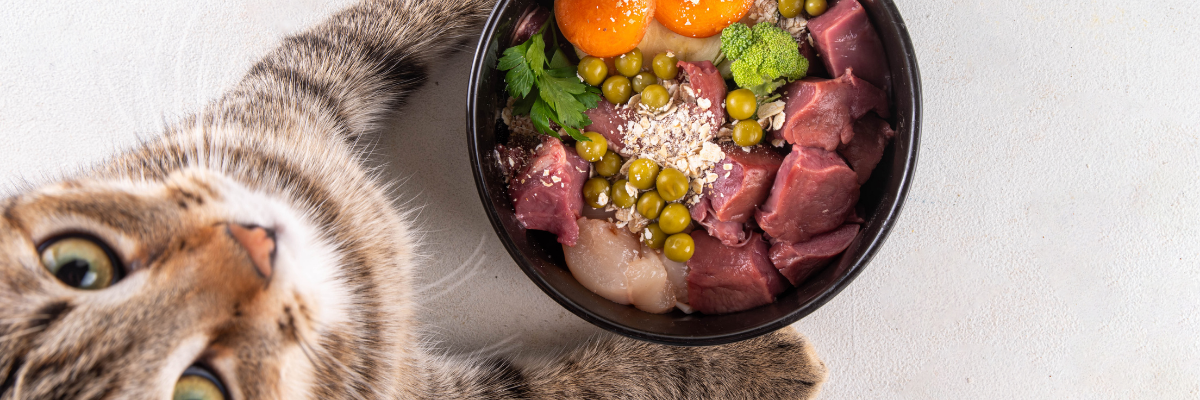
The idea of ditching kibble and crafting your pet’s meals in your own kitchen is undeniably appealing. You control the ingredients, avoid questionable additives, and shower your beloved companion with what feels like a personalized, loving gesture. But before you trade in your dog’s bowl for a chef’s hat, let’s get real: is homemade pet food actually safe, and what does it really take to do it right?
The Allure of DIY Pet Food: Why Are People Making the Switch?
Let’s face it, commercially produced pet food often gets a bad rap. You see headlines about recalls, read ingredient lists filled with unpronounceable chemicals, and maybe even notice your pet’s less-than-thrilled reaction to their daily kibble. This breeds a natural desire to take control and provide something "better."
Here are some common reasons why pet owners are drawn to homemade pet food:
- Ingredient Transparency: You know exactly what’s going into your pet’s food. No more guessing games about "animal by-products" or vague "fillers."
- Allergy Management: Homemade diets can be tailored to exclude specific allergens, making it easier to manage sensitivities or intolerances.
- Health Concerns: Some owners believe homemade food can address specific health issues, like digestive problems or skin conditions, by providing targeted nutrition.
- Picky Eaters: A customized diet can be more appealing to fussy eaters who turn their noses up at commercial food.
- A Sense of Connection: Preparing meals for your pet can be a rewarding experience, strengthening the bond between you and your furry friend.
But here’s the kicker: Good intentions aren’t enough. Just because you think you’re feeding your pet a healthier diet doesn’t automatically make it so. In fact, poorly formulated homemade diets can be worse than even the most basic commercial kibble.
The Potential Pitfalls: Why Homemade Can Be Risky Business
This is where we get down to brass tacks. The biggest risk with homemade pet food isn’t the ingredients themselves, but the balance of those ingredients. Pets have very specific nutritional needs that are different from humans. Simply throwing together some meat, veggies, and rice, no matter how high-quality, is almost guaranteed to result in nutritional deficiencies or excesses.
Here are some common dangers to be aware of:
- Nutritional Imbalances: This is the BIGGEST concern. Pets need specific ratios of protein, fat, carbohydrates, vitamins, and minerals. Deficiencies in essential nutrients like calcium, phosphorus, taurine (crucial for heart health in cats), or excesses of others can lead to serious health problems.
- Toxicity: Certain foods that are safe for humans are toxic to pets. Onions, garlic, grapes, raisins, chocolate, and xylitol (an artificial sweetener) are just a few examples.
- Bacterial Contamination: Raw food diets (which are sometimes associated with homemade feeding) carry a risk of bacterial contamination like Salmonella or E. coli, which can be dangerous for both your pet and your family.
- Bone Problems: If you’re considering raw bones (another common component of some homemade diets), be aware of the risk of choking, intestinal perforation, and dental fractures. Cooked bones are even more dangerous as they splinter easily.
- Digestive Upset: Sudden dietary changes can cause vomiting, diarrhea, and other digestive issues. It’s crucial to transition gradually to any new diet.
The truth is, crafting a nutritionally complete and balanced homemade pet food recipe requires a significant amount of knowledge and precision. It’s not as simple as following a recipe you found online.
Getting It Right: The Golden Rules of Homemade Pet Food
Okay, so homemade pet food can be tricky. But it’s not impossible to do it safely and effectively. Here’s how to increase your chances of success:
- Consult a Veterinary Nutritionist: This is non-negotiable. A board-certified veterinary nutritionist has extensive training in animal nutrition and can formulate a recipe specifically tailored to your pet’s individual needs (age, breed, activity level, health conditions, etc.). Do not rely on recipes found online or from well-meaning friends. These are rarely complete and balanced and can be incredibly harmful. This is the most important step!
- Follow the Recipe Exactly. Once you have a recipe from a veterinary nutritionist, treat it like a prescription. Don’t substitute ingredients, change portion sizes, or skip supplements. Even small deviations can throw off the nutritional balance.
- Use High-Quality Ingredients: Choose fresh, whole foods whenever possible. Opt for lean protein sources, complex carbohydrates, and a variety of vegetables.
- Supplement Wisely: Your veterinary nutritionist will likely recommend specific supplements to ensure your pet is getting all the necessary vitamins and minerals. Don’t guess – follow their recommendations precisely.
- Practice Safe Food Handling: Wash your hands thoroughly before and after preparing pet food. Use clean utensils and cutting boards. Store food properly in the refrigerator or freezer.
- Monitor Your Pet’s Health: Pay close attention to your pet’s weight, energy levels, coat condition, and stool quality. If you notice any changes, consult your veterinarian.
- Gradual Transition: Introduce the new diet slowly over a period of several days or weeks to avoid digestive upset.
- Regular Veterinary Checkups: Continue to schedule regular checkups with your veterinarian to monitor your pet’s overall health and address any potential issues early on.
In short, safely feeding your pet a homemade diet is a commitment that requires expertise, precision, and ongoing monitoring.
Raw vs. Cooked: Which is Better (and Safer)?
The debate between raw and cooked homemade pet food is a hot topic. Here’s a brief overview:
- Raw Food Diets (BARF – Biologically Appropriate Raw Food): These diets typically consist of raw meat, bones, organs, and vegetables. Proponents argue that raw food is more natural and digestible. However, the risks of bacterial contamination and nutritional imbalances are significant. Unless you have extensive knowledge of raw feeding and are working closely with a veterinary nutritionist, raw food diets are generally not recommended.
- Cooked Food Diets: Cooking food can reduce the risk of bacterial contamination and make certain nutrients more digestible. However, it’s important to note that cooking can also destroy some vitamins and minerals, so supplementation may be necessary. Cooked homemade diets, when formulated by a veterinary nutritionist, are generally considered safer than raw diets.
Ultimately, the best choice for your pet depends on their individual needs and your comfort level. However, safety should always be the top priority.
Where to Find Reliable Information and Support
Navigating the world of homemade pet food can be overwhelming. Here are some resources to help you make informed decisions:
- Board-Certified Veterinary Nutritionists: The American College of Veterinary Nutrition (ACVN) website (acvn.org) is a great place to find a board-certified veterinary nutritionist in your area.
- Your Veterinarian: Your regular veterinarian can provide valuable guidance and support.
- Reputable Veterinary Hospitals: Many veterinary hospitals have nutrition services or can refer you to a qualified specialist.
Avoid relying on information from non-credible sources, such as online forums, blogs, or pet food retailers.
Frequently Asked Questions
- Is homemade pet food cheaper than commercial food? It can be, but often it’s more expensive due to the cost of high-quality ingredients and supplements.
- How much time does it take to prepare homemade pet food? It depends on the recipe and the batch size, but it generally requires more time than scooping kibble.
- Can I use human supplements in my pet’s food? No, pet supplements are formulated specifically for their needs. Always consult with a veterinary nutritionist before using any supplements.
- My dog has allergies. Will homemade food help? It might, but it’s essential to work with a veterinary nutritionist to formulate a diet that excludes the allergens while still providing complete nutrition.
- Can I make homemade treats for my pet? Yes, but be mindful of the ingredients and portion sizes. Treats should only make up a small percentage of your pet’s daily calorie intake.
The Bottom Line
Homemade pet food can be a wonderful way to provide your furry friend with personalized nutrition. However, it’s crucial to approach it with caution and prioritize safety above all else. Work with a board-certified veterinary nutritionist to formulate a balanced recipe, follow it meticulously, and monitor your pet’s health closely. Making informed choices will ensure you are providing your pet with a diet that will help them thrive!