
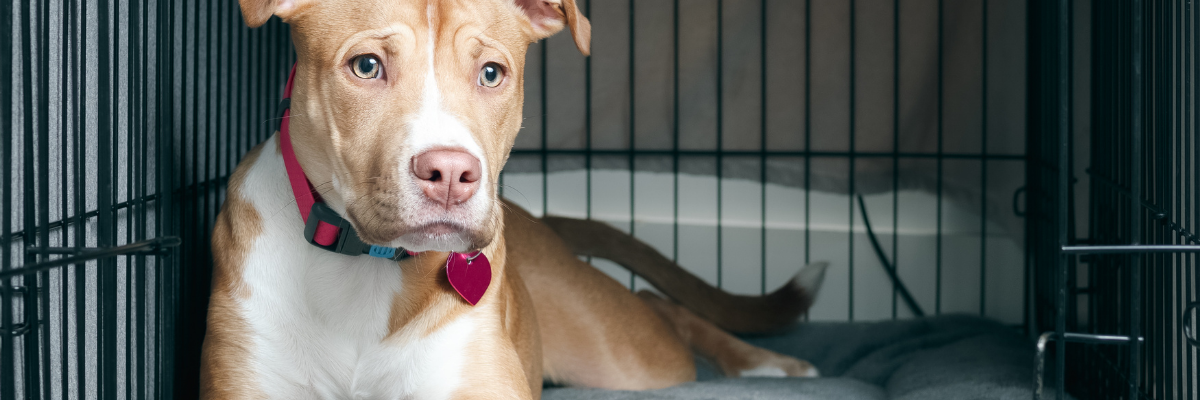
Bringing a new dog into your home is a joyous occasion, filled with cuddles, playtime, and the promise of unconditional love. But amidst the excitement, the reality of training looms. Housebreaking, basic commands, and socialization are all crucial, but one training method often overlooked (and sometimes misunderstood) is crate training. It’s not about punishment; it’s about providing your dog with a safe, secure haven, and setting the stage for a happier, better-behaved companion.
Why a Crate? Isn’t That Cruel? Dispelling the Myths
Let’s address the elephant in the room right away. Many people associate crates with cages and punishment. The truth is, when introduced and used correctly, a crate becomes a dog’s personal den, a place where they feel safe, secure, and relaxed. Think of it like a child’s fort or your own bedroom – a space that’s uniquely theirs.
- Dogs are den animals: Instinctively, dogs seek out enclosed spaces for security and comfort. A crate taps into this natural behavior.
- Reduces anxiety: A crate provides a refuge from overwhelming situations, loud noises, or even just a busy household.
- Aids in housebreaking: Dogs naturally avoid soiling their sleeping area. A crate helps them learn to control their bladder and bowels.
- Prevents destructive behavior: When you can’t supervise your dog, a crate prevents them from chewing furniture, digging in carpets, or getting into things they shouldn’t.
- Safe travel: A crate provides a secure and familiar environment for traveling, reducing stress and anxiety.
Choosing the Right Crate: Size, Material, and Location, Oh My!
Selecting the perfect crate is crucial for a positive experience. Here’s what to consider:
- Size matters: The crate should be large enough for your dog to stand up, turn around, and lie down comfortably, but not so large that they can use one end as a toilet. If you’re crate training a puppy, consider a crate with a divider to adjust the size as they grow.
- Material options: You have several choices:
- Wire crates: Offer good ventilation and visibility. They’re also easy to clean and often foldable for storage.
- Plastic crates: More enclosed and provide a greater sense of security. They’re also ideal for travel.
- Soft-sided crates: Lightweight and portable, but not as durable as wire or plastic crates. Best suited for well-trained dogs who won’t chew or scratch.
- Location, location, location: Place the crate in a high-traffic area of your home, like the living room or bedroom. This ensures your dog feels included and doesn’t associate the crate with isolation.
The Step-by-Step Guide to Crate Training Success (No Tears Allowed!)
Patience and positive reinforcement are key to successful crate training. This isn’t a race; it’s a marathon. Here’s a breakdown of the process:
- Introduce the crate: Make the crate inviting by placing soft bedding, toys, and treats inside. Leave the door open and encourage your dog to explore at their own pace.
- Positive associations: Toss treats and toys into the crate, rewarding your dog for entering. Use a cheerful tone of voice and lots of praise.
- Feeding time: Start feeding your dog their meals inside the crate. This helps them associate the crate with positive experiences.
- Short stays: Once your dog is comfortable eating in the crate, start closing the door for short periods (a few seconds at first), gradually increasing the duration. Reward them with treats and praise while they’re inside.
- Extended stays: Gradually increase the time your dog spends in the crate with the door closed, even when you’re not actively training. Offer a favorite chew toy or puzzle to keep them occupied.
- Crate time when you’re home: Encourage your dog to spend time in the crate even when you’re home. This helps them see it as a relaxing place, not just a place they go when you leave.
- Crate time when you’re away: Start with short absences (a few minutes) and gradually increase the duration. Before you leave, give your dog a special treat or toy to enjoy in the crate.
- Nighttime routine: Once your dog is comfortable in the crate during the day, start having them sleep in it at night. Place the crate near your bed initially, so they feel secure.
Troubleshooting: What to Do When Things Don’t Go According to Plan
Even with the best intentions, crate training can sometimes be challenging. Here are some common problems and how to address them:
- Whining or barking: If your dog whines or barks in the crate, it’s important to determine the cause. Are they truly distressed, or are they just trying to get your attention? If you suspect anxiety, try covering the crate with a blanket to create a more den-like atmosphere. Never let them out when they are whining or barking, as this will reinforce the behavior. Wait for a moment of silence, then reward them by letting them out.
- Refusal to enter: If your dog refuses to enter the crate, go back to basics. Make the crate more enticing with high-value treats and toys. Use a cheerful tone of voice and lots of encouragement. You can also try luring them into the crate with a treat.
- Accidents in the crate: If your dog has accidents in the crate, it could be a sign that they’re not being taken out frequently enough or that the crate is too large. Make sure to take your dog out to potty first thing in the morning, last thing at night, and every few hours during the day. If the crate is too big, consider using a divider to reduce the space.
Important Do’s and Don’ts for Crate Training Success
- Do: Be patient and consistent.
- Do: Use positive reinforcement.
- Do: Make the crate a comfortable and inviting space.
- Do: Gradually increase the time your dog spends in the crate.
- Do: Ensure your dog has plenty of opportunities to potty before being crated.
- Don’t: Use the crate as punishment.
- Don’t: Force your dog into the crate.
- Don’t: Leave your dog in the crate for excessive periods.
- Don’t: Ignore your dog’s distress signals.
- Don’t: Give up!
Keeping it Positive: Making the Crate a Happy Place
The key to successful crate training is to make the crate a positive and enjoyable experience for your dog. Here are some tips:
- Special toys: Reserve certain toys exclusively for crate time. This will make the crate more appealing.
- Treat-filled puzzle toys: These provide mental stimulation and keep your dog occupied while in the crate.
- Comfortable bedding: A soft and cozy bed will make the crate a more inviting place to relax.
- Calming music: Playing calming music can help your dog relax and feel more secure in the crate.
- Scent soakers: Use a shirt or blanket that smells like you to help them feel closer to you.
Crate Training Timeline: How Long Does It REALLY Take?
There’s no one-size-fits-all answer to this question. The time it takes to crate train a dog depends on several factors, including their age, temperament, and previous experiences. Some dogs take to the crate quickly, while others require more patience and persistence.
Generally, you can expect the crate training process to take anywhere from a few days to several weeks. The key is to be patient, consistent, and positive. Don’t rush the process, and celebrate small victories along the way.
Beyond the Basics: Advanced Crate Training Tips
Once your dog is comfortable in the crate, you can start to incorporate it into other aspects of their training. For example, you can use the crate as a “place” command, teaching your dog to go to their crate on cue. This can be helpful in managing their behavior in various situations.
Frequently Asked Questions
- Is crate training cruel? No, when done correctly, crate training provides a safe and secure space for your dog.
- How long can I leave my dog in the crate? Puppies can typically be crated for their age in months + 1 hour (e.g., a 3-month-old puppy can be crated for 4 hours). Adult dogs shouldn’t be crated for more than 8 hours at a time.
- What if my dog hates the crate? Go back to basics and make the crate more appealing with treats and toys. Consult with a professional dog trainer for personalized guidance.
- Can I use the crate as punishment? No, never use the crate as punishment. This will create negative associations and make your dog fearful of the crate.
- What size crate should I get? The crate should be large enough for your dog to stand up, turn around, and lie down comfortably.
Wrapping Up: A Safe Haven for a Happier Dog
Crate training is more than just a training method; it’s about providing your dog with a safe, secure, and comfortable space they can call their own. By understanding the principles of crate training and following a consistent, positive approach, you can create a positive experience for both you and your furry friend, leading to a happier, better-behaved, and more confident companion. Remember, patience and consistency are your best friends on this journey.