
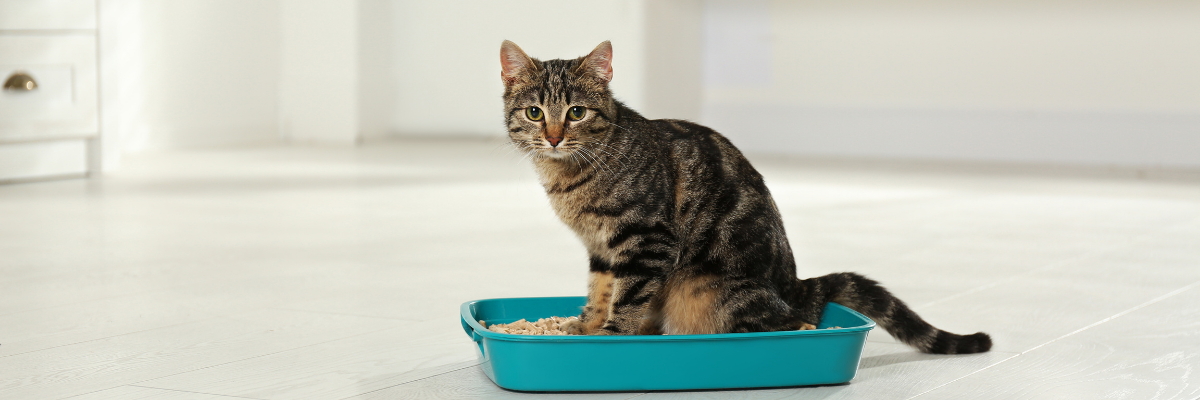
Bringing a new kitten into your home is a joyous occasion, filled with tiny paws, playful antics, and endless cuddles. But amidst the cuteness overload, there’s a practical matter that needs addressing: litter box training. Don’t worry; it’s usually a surprisingly simple process! With a little patience, the right setup, and these tried-and-true tips, you’ll have your furry friend confidently using their litter box in no time.
First Things First: Setting the Stage for Success
Before your kitten even sets a paw in your house, you need to have their litter box ready and waiting. Think of it as preparing a welcoming committee, but instead of a banner, it’s a clean, accessible space for them to do their business.
-
Choosing the Right Litter Box: Size matters! For a kitten, a low-sided box is ideal. They’re still small and might struggle to climb into a box with high walls. As they grow, you can transition to a larger one, but start small. Covered or uncovered? That’s a matter of preference. Some cats prefer the privacy of a covered box, while others feel trapped. Start with an uncovered one and see how your kitten reacts. You can always switch later.
-
Location, Location, Location: Where you put the litter box is crucial. Think quiet, easily accessible, and away from their food and water. No one wants to eat where they go to the bathroom! A spare bathroom, laundry room, or quiet corner of a living room works well. Avoid high-traffic areas or noisy spots that might scare them. Consistency is key, so once you pick a spot, stick with it.
-
Litter Selection 101: Finding the Purrfect Match: So many options, so little time! Clumping, non-clumping, clay, crystal, paper… it can be overwhelming. For kittens, unscented, clumping litter is generally a good choice. It’s easy to scoop and keeps the box clean. Avoid scented litters, as they can be irritating to a kitten’s sensitive nose. Also, avoid clay litter for very young kittens, as they might ingest it and cause digestive issues.
Show Time! Introducing Your Kitten to Their New Throne
Now that you’ve got the setup sorted, it’s time for the grand introduction. Don’t expect your kitten to instantly know what to do; you might need to gently guide them.
-
The Post-Meal Potty Break: Kittens typically need to go to the bathroom after eating or waking up. After a meal, gently place your kitten in the litter box. If they start sniffing around or scratching, that’s a good sign! Let them explore and get comfortable.
-
Leading the Way: The Paw-in-the-Litter Trick: If your kitten seems hesitant, gently take their paw and make a scratching motion in the litter. This can help them understand what the box is for. Don’t force it if they seem stressed; just try again later.
-
Praise and Reward: Positive Reinforcement is Your Friend: When your kitten successfully uses the litter box, shower them with praise and affection! A gentle head scratch or a soft "Good kitty!" will go a long way. You can even offer a small treat as a reward. Positive reinforcement makes them associate the litter box with good things.
Accidents Happen: Dealing with Mishaps and Mistakes
Even with the best training, accidents are bound to happen. Don’t panic! The key is to stay calm and handle the situation with patience and understanding.
-
Clean Up Crew: Eliminating the Evidence: If your kitten has an accident outside the litter box, clean it up immediately with an enzymatic cleaner. These cleaners neutralize the odor, preventing your kitten from going back to the same spot. Avoid using ammonia-based cleaners, as they smell similar to urine and might encourage repeat offenses.
-
No Shaming Zone: Avoid Punishment at All Costs: Never yell at or physically punish your kitten for having an accident. This will only scare them and make them associate you with negative experiences. It won’t help them learn to use the litter box; instead, it will make them afraid of you.
-
Identifying the Cause: Why Did It Happen? Try to figure out why your kitten had an accident. Was the litter box too far away? Was it dirty? Were they feeling stressed or anxious? Addressing the underlying cause can help prevent future mishaps.
Keeping the Litter Box Clean and Inviting: Maintenance Matters!
A clean litter box is a happy litter box, and a happy litter box equals a happy kitten (and a happy owner!). Regular maintenance is essential for maintaining good hygiene and encouraging your kitten to use the box consistently.
-
Scoop Daily: The Golden Rule of Litter Box Management: Scoop the litter box at least once a day, preferably twice. This removes clumps and solid waste, keeping the box fresh and clean.
-
Deep Cleaning Time: A Weekly Scrub-Down: Once a week, empty the entire litter box and wash it with mild soap and water. Avoid using harsh chemicals or bleach, as they can be harmful to your kitten. Rinse thoroughly and dry before refilling with fresh litter.
-
Litter Depth Check: Finding the Sweet Spot: Maintain a litter depth of about 2-3 inches. This allows your kitten to dig and bury their waste comfortably.
Troubleshooting Litter Box Issues: When Things Don’t Go as Planned
Sometimes, despite your best efforts, your kitten might still have trouble using the litter box. Here are some common issues and how to address them:
-
Medical Mystery: Rule Out Health Problems First: If your kitten suddenly stops using the litter box or starts having accidents, it’s important to rule out any underlying medical conditions. Urinary tract infections, bladder stones, and other health problems can cause litter box aversion. A trip to the vet is essential.
-
Litter Aversion: They Just Don’t Like It!: Your kitten might not like the type of litter you’re using. Try switching to a different type of litter to see if that makes a difference. Offer a choice by providing two litter boxes with different types of litter.
-
Stress and Anxiety: Creating a Calm Environment: Stress and anxiety can also contribute to litter box problems. Make sure your kitten has a safe and secure environment. Provide plenty of playtime, attention, and enrichment to reduce stress levels.
-
Multi-Cat Mayhem: Litter Box Etiquette for Multiple Felines: If you have multiple cats, make sure you have enough litter boxes. The general rule is one litter box per cat, plus one extra. Place the boxes in different locations to avoid territorial disputes.
Advanced Litter Box Strategies: Going the Extra Mile
Once your kitten is reliably using the litter box, you can start thinking about more advanced strategies to further improve their litter box experience.
-
Litter Box Placement Optimization: Finding the Perfect Spot: Experiment with different litter box locations to see what your kitten prefers. They might prefer a more secluded spot or a location with a better view.
-
Transitioning to a Different Litter Box: Gradual Changes Are Best: If you want to switch to a different type of litter box (e.g., from a low-sided box to a covered box), do it gradually. Introduce the new box alongside the old one and let your kitten get used to it.
-
Litter Box Training for Older Kittens: It’s Never Too Late: Even if you’re adopting an older kitten who hasn’t been properly litter box trained, it’s still possible to teach them. Use the same techniques as you would for a younger kitten, but be patient and persistent.
Frequently Asked Questions About Kitten Litter Box Training
-
How long does it take to litter box train a kitten? Most kittens learn to use the litter box within a few days to a week. Consistency and positive reinforcement are key.
-
Why is my kitten eating litter? This can be a sign of anemia or a nutritional deficiency. Consult your veterinarian to rule out any health problems.
-
My kitten pees outside the box but poops inside. Why? This could indicate a preference for different litter types or locations for urination versus defecation. Try offering two litter boxes with different setups.
-
Is it okay to use scented litter? It’s generally best to avoid scented litter for kittens, as it can be irritating to their sensitive noses. Unscented litter is a safer option.
-
How often should I change the litter completely? You should completely change the litter and wash the box at least once a week, or more often if needed. Daily scooping helps maintain cleanliness.
The Bottom Line: Patience and Consistency Lead to Success
Litter box training your kitten doesn’t have to be stressful. By creating a welcoming environment, using positive reinforcement, and maintaining a clean litter box, you can set your furry friend up for success. Remember to be patient, understanding, and consistent, and you’ll be well on your way to a happy, healthy, and well-potty-trained kitten!