
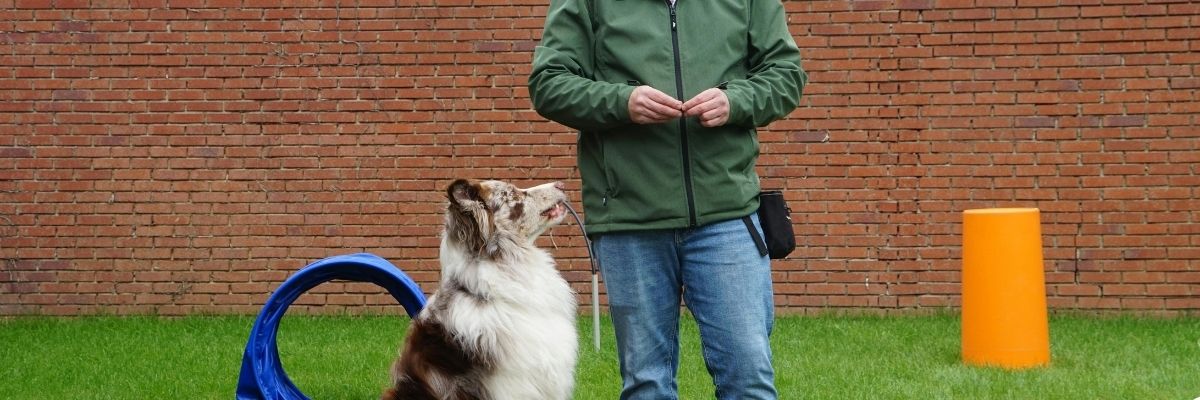
Unlocking Your Dog’s Best Self: A Comprehensive Guide to Essential Obedience Training
Bringing a dog into your life is an incredible joy, a partnership built on love, companionship, and shared experiences. But to truly thrive together, both you and your furry friend need a common language, a way to understand each other’s needs and expectations. That’s where obedience training steps in, not as a means of control, but as a powerful tool to build confidence, ensure safety, and deepen the bond you share, transforming your chaotic canine companion into a well-mannered member of the family.
This journey isn’t just about teaching tricks; it’s about fostering clear communication, preventing potential behavioral issues, and creating a harmonious environment where your dog feels secure and understands their place in your world. By mastering essential commands and skills, you’re not just training a dog; you’re shaping a confident, happy, and well-adjusted companion ready to navigate life’s adventures by your side.
Why Bother with Obedience Training Anyway? It’s More Than Just Good Manners!
You might think obedience training is just for show dogs or those with serious behavioral problems, but nothing could be further from the truth. For every dog and every owner, a solid foundation in obedience is a game-changer. It’s about safety, connection, and peace of mind.
- Safety First, Always: Imagine your dog bolting towards a busy street, or encountering an unfamiliar, aggressive dog. A reliable “Come” or “Leave It” command can literally save their life. It’s also crucial for the safety of others, preventing accidental jumps on guests or nipping at children.
- Building a Rock-Solid Bond: Training isn’t a chore; it’s an interactive activity that strengthens your relationship. When your dog understands what you want and you can communicate effectively, trust and mutual respect flourish. You become their reliable leader, and they look to you for guidance.
- Unleashing Their Full Potential: Dogs are intelligent creatures who thrive on mental stimulation. Training provides an outlet for their energy and curiosity, preventing boredom-related destructive behaviors. A well-trained dog is a confident dog, more adaptable and less prone to anxiety.
- A Happier, Less Stressful Household: Let’s be honest, living with a dog who constantly pulls on the leash, jumps on furniture, or barks incessantly can be frustrating. Obedience training creates a calm, predictable environment for everyone, reducing stress and increasing enjoyment.
Getting Started: Laying the Groundwork for Success
Before we dive into specific commands, let’s talk about the fundamental principles that make obedience training effective and enjoyable for both of you. Think of these as your golden rules.
Positive Reinforcement: The Secret Sauce!
This is the cornerstone of modern, humane dog training. Positive reinforcement means rewarding your dog for desired behaviors, making them more likely to repeat those actions. It’s about building them up, not tearing them down.
- High-Value Rewards: Figure out what truly motivates your dog. For most, it’s small, soft, tasty treats (think cooked chicken, cheese, or specialized training treats). For others, it might be a favorite squeaky toy or enthusiastic praise.
- Timing is Everything: Deliver the reward immediately (within 1-3 seconds) after your dog performs the correct action. This helps them connect the behavior with the reward.
- Keep it Upbeat: Your attitude matters! Be enthusiastic, encouraging, and patient. Training should feel like a fun game for your dog.
Consistency and Patience: Your Best Friends
Dogs learn through repetition and consistency. Everyone in the household should use the same commands, hand signals, and expectations.
- Short and Sweet Sessions: Dogs have short attention spans. Aim for 5-10 minute training sessions, 2-3 times a day, rather than one long, tedious session. End on a positive note, even if it means asking for an easy command your dog knows well.
- Patience, Patience, Patience: Your dog won’t learn everything overnight. There will be good days and challenging days. Celebrate small victories and don’t get discouraged by setbacks.
Essential Tools for Your Training Toolkit
- A Comfortable Leash and Collar/Harness: A standard 6-foot leash and a flat buckle collar or a well-fitting front-clip harness are great starting points. Avoid retractable leashes during training as they teach dogs to pull.
- Clicker (Optional but Recommended): A clicker is a precise marker that tells your dog exactly when they performed the correct behavior, followed immediately by a treat. It’s incredibly effective for clear communication.
- A Quiet Training Space: Start in an area with minimal distractions so your dog can focus solely on you.
Mastering the Core Commands: Your Dog’s ABCs
These are the foundational commands that every dog should know. They’re not just parlor tricks; they’re vital for safety, good manners, and clear communication.
“Sit”: The Universal Go-To
This is often the first command taught and for good reason! It’s a polite way to greet people, ask for food, or simply pause before an activity.
- Lure and Reward: Hold a high-value treat near your dog’s nose.
- Guide Up and Back: Slowly move the treat up and back over their head, towards their tail. As their nose follows the treat, their rear end will naturally lower into a sit.
- Mark and Reward: The instant their bottom touches the ground, say “Yes!” or click, and give them the treat.
- Add the Verbal Cue: Once they consistently sit when lured, start saying “Sit” just as you begin the lure. Gradually fade the lure, eventually just using the verbal cue and a hand signal.
“Stay”: Building Patience and Impulse Control
“Stay” teaches your dog to remain in a position until released, which is crucial for preventing them from bolting out the door or running into unsafe situations.
- Start with “Sit”: Ask your dog to “Sit.”
- Introduce the “Stay” Cue: Hold your open palm towards your dog and say “Stay.”
- Take One Step Back: Take one tiny step backward. If your dog stays, immediately step back to them, say “Yes!” or click, and reward.
- Gradually Increase Distance and Duration: Over many sessions, slowly increase the distance you move away and the amount of time they have to stay. If they break, calmly reset them to the original spot and try again with less distance/duration.
- The Release Word: Always use a clear release word like “Okay!” or “Free!” to tell your dog they can move.
“Come” (Recall): The Lifesaver Command
A reliable recall is perhaps the most important command for your dog’s safety and your peace of mind. It means they will return to you instantly, no matter the distractions.
- Make it a Party! Start in a quiet, enclosed area. Get down to your dog’s level, sound excited, and say “Come!” or “Here!”
- Run Away: As you say the command, back away from your dog to encourage them to chase you.
- Big Reward: When they reach you, make a huge fuss! Give them multiple high-value treats and enthusiastic praise. You want them to think coming to you is the best thing ever.
- Practice Often: Practice “Come” multiple times a day, in different rooms, and gradually introduce mild distractions. Never use “Come” to do something unpleasant (like ending playtime or giving a bath) or they’ll learn to avoid it.
“Down”: A Calming and Submissive Position
The “Down” command is excellent for settling your dog, especially in public places, and can be a fantastic way to diffuse over-excitement.
- Lure from “Sit”: Ask your dog to “Sit.” Hold a treat to their nose.
- Sweep Down and Out: Slowly lower the treat straight down towards the floor, then sweep it slightly away from their nose, parallel to the ground. Your dog will follow the treat, lowering their body into a down.
- Mark and Reward: The moment their elbows touch the ground, say “Yes!” or click, and give the treat.
- Add the Verbal Cue: Once they consistently go down with the lure, start saying “Down” as you begin the lure.
“Leave It”: The Ultimate Impulse Control Skill
This command teaches your dog to ignore tempting items, whether it’s a dropped pill, a discarded chicken bone on a walk, or another dog’s toy.
- Start Simple: Hold a treat in your closed fist. Show your dog your fist. They will likely sniff, paw, or lick it.
- Wait for Disengagement: The instant they back away or look away from your hand (even for a second), say “Yes!” or click, and reward them with a different, even better treat from your other hand.
- Add the Cue: Once they understand this, place a low-value treat on the floor. Cover it with your hand. Say “Leave It.” When they look away, reward with a high-value treat from your other hand.
- Increase Difficulty: Gradually progress to leaving the treat uncovered for longer periods, then introducing more tempting items, always rewarding from a separate source.
Leash Manners: Enjoying Walks Together
A dog who pulls on the leash makes walks stressful for everyone. Teaching loose-leash walking transforms strolls into enjoyable outings.
- Be a Tree: The moment your dog pulls, stop dead in your tracks. Don’t move forward until the leash goes slack.
- Reward Slack: When your dog looks back at you or the leash slackens, praise them and start walking again.
- Treat at Your Side: Consistently reward your dog with treats when they walk nicely beside you, keeping the leash loose.
- Change Direction: If your dog starts pulling, abruptly change direction. This encourages them to pay attention to where you’re going.
Beyond the Basics: Taking Skills to the Next Level
Once your dog has a solid grasp of the core commands, it’s time to refine their understanding and prepare them for real-world situations.
Proofing Commands: Making Them Reliable Everywhere
“Proofing” means practicing commands in increasingly challenging environments. A dog who sits perfectly in your living room might not sit at a busy park unless you’ve proofed the command.
- Vary Locations: Practice in different rooms, in the backyard, at a quiet park, then a busier park, and eventually in public places with more distractions.
- Introduce Distractions: Start with mild distractions (a toy on the floor), then moderate (someone walking by), then high-level (other dogs, children playing).
- Change Handlers: Have different family members give the commands.
- Alter Positions: Practice from different angles – standing, sitting, across the room.
Generalization: Understanding Commands in Any Context
Your dog needs to understand that “Sit” means “Sit” whether you’re standing, sitting, or even whispering it. Generalization helps solidify their understanding across various scenarios.
Common Training Hurdles and How to Overcome Them
Every training journey has its bumps. Here’s how to navigate some common challenges:
- My Dog Isn’t “Getting It”: Simplify! Break the command down into smaller steps. Are your rewards high-value enough? Is your timing precise?
- Distractions are Too Much: Go back to a quieter environment. Gradually reintroduce distractions slowly, one at a time, only when your dog is successful in the calmer setting.
- I’m Getting Frustrated: Take a break! Training should be fun, not a source of stress. If you’re frustrated, your dog will pick up on it. End the session and try again later when you’re both refreshed.
- My Dog is Too Old to Learn: Absolutely not! While puppies are sponges, older dogs can and do learn new tricks and commands. They might take a little longer, but their capacity for learning never truly disappears.
Frequently Asked Questions
- When should I start obedience training? The sooner the better, ideally when your dog is a puppy, but it’s never too late to start teaching an older dog new skills.
- How long should training sessions be? Keep sessions short and sweet, around 5-10 minutes, multiple times a day, to maintain your dog’s engagement.
- What if my dog isn’t food motivated? Experiment with different high-value treats, or try using toys, praise, or a quick game of fetch as rewards.
- Can I train an older dog? Yes, absolutely! Older dogs can learn new commands and behaviors; they may just require a bit more patience and consistency.
- How often should I practice commands? Daily short training sessions are ideal for reinforcing commands and building strong habits.
A Journey of Connection
Obedience training is much more than just teaching commands; it’s a journey of understanding, communication, and mutual respect that enriches the lives of both you and your dog. With patience, consistency, and positive reinforcement, you’ll build an unbreakable bond and create a well-behaved, confident companion ready for anything.