
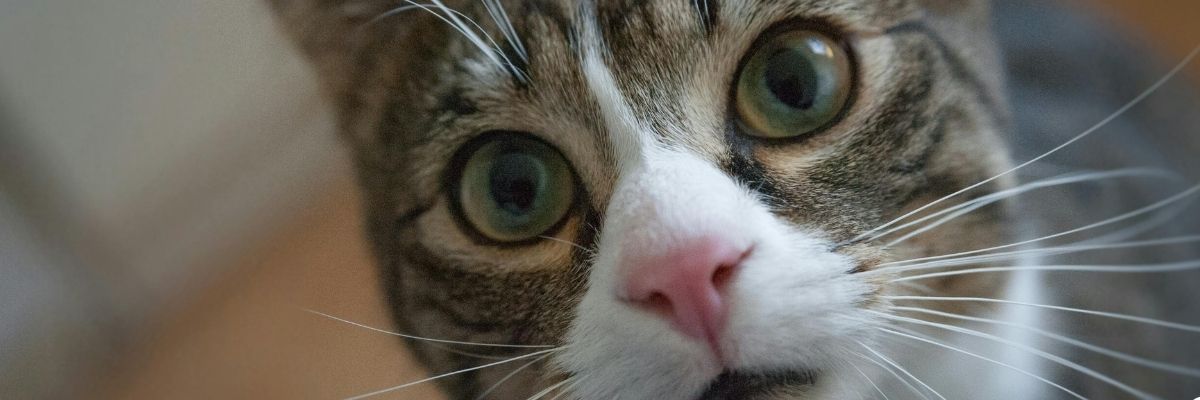
Bringing a pet into your home is an incredibly joyful experience, filling your days with unconditional love, laughter, and perhaps a bit of delightful chaos. But just like preparing for a new baby, ensuring your living space is safe and secure for your furry, feathered, or scaled friend is one of the most crucial steps you can take to protect them from harm. Pet proofing isn’t just about preventing accidents; it’s about creating an environment where your beloved companion can explore, play, and thrive without encountering hidden dangers, giving you invaluable peace of mind.
Pet proofing your home is a proactive measure that goes far beyond simply tidying up. It involves looking at your living space through your pet’s eyes – or paws, as it were – to identify potential hazards that might seem innocuous to us but could pose serious risks to them. From curious puppies and adventurous kittens to older pets with evolving needs, every animal can benefit from a thoughtfully pet-proofed environment. It’s about setting them up for success and safeguarding them from the everyday dangers lurking in our homes.
Why Pet Proofing Isn’t Just for Puppies and Kittens (But It’s Super Important Then Too!)
While it’s true that young, energetic pets are often the most notorious for getting into mischief, pet proofing isn’t a one-and-done task that ends when they grow up. Adult pets can develop new habits, become more curious in a new home, or even experience cognitive changes that make them more prone to accidents. Think about it: a seemingly harmless houseplant could suddenly become an irresistible chew toy, or a forgotten cleaning bottle left on the floor could be an enticing target. Pet proofing is an ongoing commitment to their safety, ensuring their environment remains secure as they age and their behaviors evolve.
Starting Your Pet Proofing Adventure: A Room-by-Room Guide
Let’s embark on a room-by-room tour, identifying common hazards and simple solutions to make your home a haven for your pet.
The Heart of the Home: Kitchen & Dining Areas
These are often treasure troves of temptation and danger for pets.
- Food Frenzy: Many human foods are toxic to pets. Keep all chocolate, onions, garlic, grapes, raisins, avocado, macadamia nuts, xylitol (a sugar substitute found in many sugar-free products), and alcohol strictly out of reach. Even “safe” human foods can cause digestive upset. Store pet food in airtight, pet-proof containers to prevent overeating or access to spoiled food.
- Trash Talk: A secure trash can with a locking lid is non-negotiable. Pets are drawn to discarded food scraps, which can contain bones, mold, or other harmful items.
- Cleaning Crew: Store all cleaning supplies, detergents, dish soap, and disinfectants in locked cabinets or on high shelves. Even “natural” cleaners can be irritating or toxic if ingested.
- Appliance Alert: Keep pets away from hot stovetops, ovens, and toasters. Secure appliance cords, as chewing can lead to electric shock or burns.
- Small Stuff: Magnets, twist ties, plastic wrap, and aluminum foil can be choking hazards or cause internal blockages if swallowed. Keep countertops clear.
Cozy Corners: Living Rooms & Bedrooms
These spaces are for relaxation, but they still hold potential pitfalls.
- Cable Catastrophe: Electrical cords are a huge draw for chewing, especially for puppies and kittens. This can lead to electric shock, burns, or even electrocution. Use cord covers, secure cords out of reach, or bundle them neatly.
- Plant Peril: Many common houseplants are toxic to pets. Research every plant you own! Common offenders include lilies (especially deadly to cats), sago palms, azaleas, rhododendrons, and diffenbachia. Opt for pet-safe alternatives like Boston ferns, spider plants, or African violets.
- Choking Charms: Small items like coins, buttons, jewelry, hair ties, rubber bands, and even small toys can be easily swallowed and cause choking or internal obstructions. Keep clutter to a minimum and store small items in drawers.
- Furniture Fails: Ensure tall bookshelves or unstable furniture are anchored to the wall to prevent tipping. Block off any small, tight spaces under or behind furniture where a curious pet could get stuck.
- Window Wisdom: Blinds and curtain cords pose a strangulation risk. Opt for cordless blinds or tie up cords securely and out of reach. Screens on windows should be sturdy enough to prevent escapes or falls.
Splish, Splash: Bathrooms & Laundry Rooms
These utility areas are packed with dangers.
- Medication Mishaps: Store all human and pet medications in secure, locked cabinets. Never leave pill bottles on counters or in accessible drawers. Even pet-specific medications can be dangerous if over-ingested.
- Cleaning Chemical Crisis: Just like in the kitchen, store all laundry detergents, bleach, fabric softeners, and toilet bowl cleaners in locked cabinets.
- Toilet Troubles: Keep the toilet lid down to prevent pets from drinking chemically treated water, which can contain harsh cleaners. Small pets could even fall in.
- Small & Sharp: Razors, cotton balls, dental floss, and small cosmetic items can be choking hazards or cause internal damage. Keep vanity tops clear.
- Machine Mayhem: Always check inside washing machines and dryers before closing the door and starting a cycle. Curious cats, especially, love to nap in warm, dark places.
The Great Outdoors (Indoors): Garages, Basements & Utility Areas
These are often forgotten zones but harbor some of the most dangerous chemicals.
- Chemical Catastrophe: Antifreeze (highly toxic and appealingly sweet-tasting), pesticides, herbicides, fertilizers, paint, paint thinners, and automotive fluids must be stored in tightly sealed containers on high shelves or in locked cabinets.
- Tool Trouble: Keep all tools, sharp objects, and small hardware (nails, screws) out of reach.
- Secure Storage: Ensure all storage shelves are stable and won’t tip over if a pet attempts to climb them.
- Electrical Panels: Keep these areas clear and inaccessible to pets.
Entryways & Exits: Securing Your Fortress
These are your home’s gateways to the outside world.
- Door Dashers: Train your pet not to bolt out open doors. Consider installing a baby gate near the entrance for an extra barrier.
- Screen Savvy: Inspect window and door screens regularly for tears or weaknesses that a determined pet could exploit.
- Pet Door Precautions: If you have a pet door, ensure it’s properly installed and secured. Some pet doors can be a security risk for your home or allow unwanted pests inside.
Beyond the Basics: Thinking Like a Pet
To truly pet proof, you need to get down on their level.
- Height & Reach: What can they jump onto? What can they knock over? Consider your pet’s agility and jumping ability.
- Small Spaces: Where could they squeeze into and potentially get stuck? Block off tight gaps.
- Chewing Instincts: Provide plenty of appropriate, durable chew toys to redirect destructive chewing behavior. Rotate toys to keep them interesting.
- Noise & Stimulation: An anxious or bored pet is more likely to engage in destructive behaviors. Ensure they have enough mental and physical stimulation.
Pet Proofing Your Yard: Outdoor Safety First!
Your outdoor space also needs attention.
- Fencing Finesse: Ensure your fence is secure, with no gaps or weak spots where your pet could escape. Check the height – can they jump it? Can they dig under it?
- Toxic Flora: Identify and remove any toxic plants from your garden. Many common garden plants are harmful, including foxglove, oleander, lilies, and certain mushrooms.
- Pesticide & Fertilizer Patrol: Be extremely cautious with lawn chemicals. If you must use them, choose pet-safe options and keep your pet off treated areas for the recommended time.
- Water Wise: If you have a pool, pond, or hot tub, ensure your pet cannot accidentally fall in. Consider a fence around water features or a pet-friendly ramp for escape.
- Secure Storage: Store all garden tools, chemicals, and outdoor equipment securely in a shed or garage.
Essential Pet Proofing Tools & Gadgets
Making your home safe doesn’t have to be complicated or expensive.
- Baby Gates: Perfect for restricting access to certain rooms or staircases.
- Cord Covers & Organizers: Protect electrical cords from chewing and keep them tidy.
- Cabinet Locks: Essential for securing cabinets containing cleaning supplies, medications, or food.
- Secure Trash Cans: Look for cans with locking lids or foot pedals that are hard for pets to open.
- Pet-Safe Cleaning Products: Opt for non-toxic, pet-friendly cleaners for everyday messes.
- High-Quality Chew Toys: Redirect destructive chewing to appropriate outlets.
- GPS Trackers: For adventurous outdoor pets, these can offer peace of mind.
Common Pet Proofing Mistakes to Avoid
Even with the best intentions, some common oversights can happen.
- Underestimating Curiosity: Never assume your pet won’t get into something. If it’s accessible, they might try.
- Assuming “They’ll Learn”: Relying solely on training to prevent access to hazards is risky; prevention is key.
- Forgetting About Guests: Inform visitors about your pet proofing rules, especially concerning leaving doors open or food accessible.
- One-Time Proofing: Pet proofing is an ongoing process. Regularly check for new hazards as your pet grows or your home environment changes.
Frequently Asked Questions (FAQ)
- Q: Is pet proofing necessary for adult pets?
A: Yes, even adult pets can get into trouble, especially in new environments or if their routine changes; curiosity and instinct can lead them to explore dangerous items. - Q: What’s the first thing I should pet proof?
A: Focus on securing toxic substances like cleaning supplies and medications, and eliminating accessible electrical cords immediately. - Q: Can I use baby proofing products for pets?
A: Many baby proofing products, like cabinet locks and outlet covers, are effective for pets too, but some may not withstand a determined pet. - Q: How do I stop my pet from chewing on everything?
A: Provide plenty of appropriate chew toys, rotate them to keep interest high, and use bitter sprays on items you want them to avoid. - Q: What if my pet still gets into things after proofing?
A: Reassess your proofing efforts, consider your pet’s specific behaviors, and reinforce training with positive reinforcement.
Creating a safe home environment for your pet is an act of love that protects them from preventable accidents and gives you peace of mind. By taking a proactive approach to pet proofing, you’re not just securing your home; you’re nurturing a happier, healthier life for your beloved companion.