
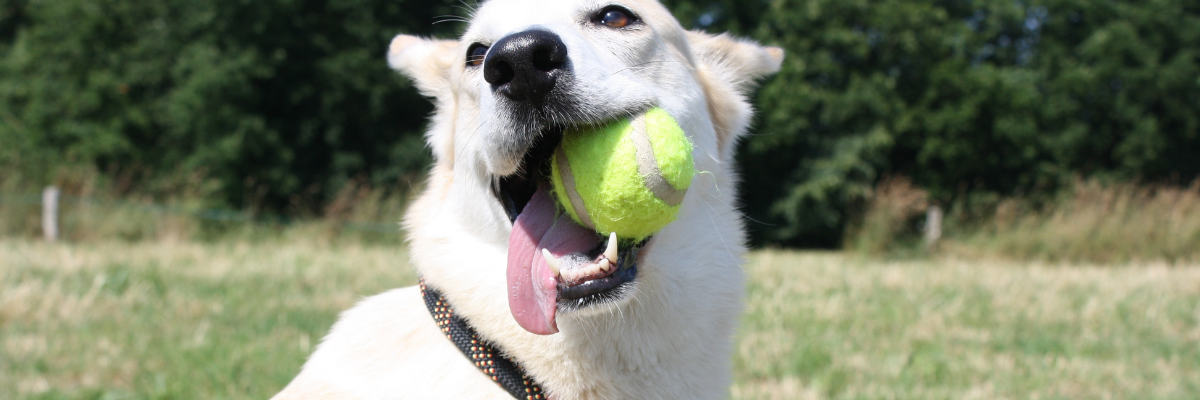
Let’s face it, sometimes the weather just doesn’t cooperate, or maybe your schedule is packed tighter than a sardine can. But that doesn’t mean your furry pal has to suffer from boredom! Indoor playtime is crucial for their physical and mental well-being, strengthening your bond, and preventing destructive behaviors born out of pent-up energy. Ready to turn your living room into a canine or feline funhouse?
1. The Classic: Fetch (but with a Twist!)
Okay, fetch might seem obvious, but hear me out! We’re not just talking about tossing a slobbery tennis ball across the room. Let’s elevate this game for maximum engagement.
- Vary the terrain: Use furniture as obstacles! Encourage your pet to jump over a cushion (if they’re able and willing!), under a chair, or around a coffee table. This adds a layer of mental stimulation to a purely physical activity.
- Hide-and-seek fetch: Instead of throwing the toy in plain sight, briefly hide it behind your back or under a blanket before tossing it. The element of surprise keeps them guessing!
- Use different toys: A rope toy, a soft plushie, a crinkly ball – switching up the object keeps things interesting. Remember to choose toys appropriate for your pet’s size and chewing habits to avoid choking hazards.
Pro Tip: Keep fetch sessions short and sweet. End the game before your pet loses interest, leaving them wanting more. This makes them more enthusiastic for the next round!
2. Find the Treat: Nose Work for the Win
Dogs and cats have incredible noses, and putting them to work is a fantastic way to tire them out mentally. “Find the treat” is simple, adaptable, and super rewarding.
- Level 1: Under the cup: Place a treat under one of three opaque cups. Let your pet watch you do it. Then, encourage them to sniff and choose the correct cup.
- Level 2: Room search: Hide treats in plain sight around a single room. "Seek!" becomes your new favorite command. Gradually increase the difficulty by hiding them in slightly less obvious spots (behind a plant pot, under a rug corner).
- Level 3: Scent discrimination: Use different-smelling treats. Hide one type of treat and ask your pet to find that specific treat. This takes serious focus and concentration!
Safety First: Always supervise your pet during treat searches and ensure they don’t ingest anything harmful.
3. The Puzzle Master: Interactive Toys to the Rescue
Interactive toys are a lifesaver on rainy days! They come in all shapes and sizes, from simple treat-dispensing balls to complex puzzles that require problem-solving skills.
- Choose wisely: Consider your pet’s personality and skill level. A super-smart Border Collie might breeze through a beginner puzzle, while a less experienced pet might get frustrated. Start with something easy and gradually increase the difficulty.
- Rotate your toys: Don’t leave the same puzzle out all the time. Keep things fresh by rotating through different toys. This prevents boredom and keeps your pet engaged.
- Make it a learning experience: Don’t just let your pet figure it out on their own. Guide them through the puzzle initially, showing them how it works. This helps them learn and builds their confidence.
Budget-Friendly Tip: You can even make your own interactive toys using household items! An empty cardboard box with holes cut in it, filled with crumpled paper and treats, can provide hours of entertainment.
4. Laser Pointer Fun: A Chase They Can’t Resist (with a Caveat!)
The mesmerizing dance of a laser pointer is irresistible to many cats (and some dogs!). It’s a great way to get them moving and burn off energy.
- The caveat: Laser pointers can be frustrating for some pets because they never actually "catch" the light. To avoid frustration, always end the laser pointer session by shining the light onto a physical toy that they can actually pounce on and "capture". This gives them a sense of accomplishment.
- Vary the movement: Don’t just move the laser pointer in a straight line. Create unpredictable patterns and encourage your pet to jump, pounce, and stalk.
- Avoid the eyes: Never shine the laser pointer directly into your pet’s eyes.
Alternative: If you’re worried about frustration, try a wand toy with feathers or ribbons. It provides a similar chasing experience with a tangible reward.
5. Tug-of-War: A Healthy Dose of Friendly Competition
Tug-of-war is a great way to build a bond with your dog and provide a healthy outlet for their energy.
- Establish the rules: It’s important to establish clear rules before starting a game of tug-of-war. Teach your dog the "drop it" command and enforce it consistently.
- Keep it gentle: Avoid jerking the toy too hard, especially with puppies. Focus on a steady, controlled pull.
- Let them win sometimes: Don’t always win the game! Let your dog win occasionally to boost their confidence and keep them engaged.
Important Note: If your dog becomes overly aggressive or possessive during tug-of-war, it’s best to avoid the game altogether.
6. Agility Course: Turn Your Home into an Obstacle Paradise
You don’t need a professional agility course to challenge your pet! Use household items to create a fun and stimulating obstacle course.
- Start simple: Use pillows, blankets, chairs, and boxes to create simple obstacles like tunnels, jumps, and weave poles.
- Use positive reinforcement: Reward your pet with treats and praise as they navigate the course.
- Gradually increase the difficulty: As your pet becomes more confident, add more challenging obstacles and increase the complexity of the course.
Safety First: Ensure the obstacles are stable and safe to avoid injuries. Supervise your pet closely during the agility course.
7. Bubble Mania: A Whimsical Chase for All Ages
Who doesn’t love bubbles? Blowing bubbles is a simple yet surprisingly effective way to entertain your pet.
- Use pet-safe bubbles: Regular bubble solution can be harmful to pets. Look for bubbles specifically designed for pets, which are non-toxic and often flavored.
- Let them pop them: Encourage your pet to chase and pop the bubbles. This provides a fun and stimulating sensory experience.
- Supervise closely: Always supervise your pet during bubble play and prevent them from ingesting large amounts of bubble solution.
Bonus Tip: Try using a bubble machine for continuous bubble fun!
8. Learning New Tricks: Brainpower and Bonding
Teaching your pet new tricks is a fantastic way to stimulate their mind, strengthen your bond, and impress your friends!
- Start with the basics: Focus on simple commands like "sit," "stay," "down," and "come."
- Use positive reinforcement: Reward your pet with treats, praise, and petting when they perform the desired behavior.
- Keep training sessions short and fun: Aim for 5-10 minute sessions to keep your pet engaged and prevent frustration.
Clicker Training: Consider using a clicker to mark the exact moment your pet performs the desired behavior. This helps them understand what you’re asking for.
9. The Shell Game: A Classic Con (for Pets!)
This is a variation of the classic street con, but with treats instead of money!
- The setup: Use three identical cups or bowls. Let your pet watch you place a treat under one of the cups. Shuffle the cups around, and then encourage your pet to choose the cup with the treat.
- Start slow: Initially, shuffle the cups slowly and deliberately. As your pet gets better, you can increase the speed and complexity of the shuffle.
- Make it a game: Don’t just focus on the treat. Make it a fun and engaging game with lots of praise and encouragement.
Pay Attention: Some pets will simply knock over all the cups to get the treat. If this happens, you might need to use heavier cups or bowls.
10. Cuddle Time: The Ultimate Bonding Experience
Sometimes, the best game is simply spending quality time cuddling with your pet.
- Find a comfortable spot: Curl up on the couch, lie on the floor, or snuggle in bed.
- Pet and massage: Gently pet your pet and give them a massage. This can help them relax and relieve stress.
- Talk to them: Even if they don’t understand what you’re saying, talking to your pet in a soothing voice can be very comforting.
Remember: Every pet is different. Some love to cuddle, while others prefer to keep their distance. Respect your pet’s boundaries and don’t force them to cuddle if they’re not in the mood.
Frequently Asked Questions (FAQ)
-
How long should indoor playtime sessions last?
Aim for 15-30 minutes per session, depending on your pet’s energy level and attention span. Multiple shorter sessions are often better than one long one. -
What if my pet loses interest in a game?
Don’t force it! Switch to a different game or activity. You can always try again later. -
Are all these games suitable for all pets?
Not necessarily. Consider your pet’s age, breed, health, and personality when choosing games. -
Can I use food as a reward for all games?
Yes, but be mindful of your pet’s calorie intake. Use small, healthy treats and adjust their regular meals accordingly. -
My pet is destructive when bored. Will these games help?
Yes! Providing mental and physical stimulation can significantly reduce destructive behaviors. However, it’s also important to address any underlying anxiety or behavioral issues.
Final Thoughts
Indoor playtime is more than just a way to pass the time; it’s an essential part of your pet’s well-being. By incorporating these fun and engaging games into your routine, you’ll not only keep your furry friend entertained but also strengthen your bond and create lasting memories. So, ditch the guilt of staying indoors and unleash the fun!