
We all know that water is essential for life, but just how much water does your beloved pet really need each day? Ensuring adequate hydration is crucial for your pet’s overall health and well-being, impacting everything from kidney function to digestion. Neglecting this vital aspect of pet care can lead to serious health problems down the line. Let’s dive into the world of pet hydration and learn how to keep your furry, scaled, or feathered companion happy and healthy.
Why Is Water So Darn Important for Our Pets Anyway?
Just like us, our pets’ bodies are largely composed of water. This water plays a critical role in numerous bodily functions. Think of it as the ultimate multi-tasker! Here’s a breakdown of why proper hydration is non-negotiable:
- Regulating Body Temperature: Water helps pets maintain a stable body temperature, especially important during hot summer months or after intense exercise. Panting and sweating (yes, some pets sweat!) rely on water to cool them down.
- Aiding Digestion and Nutrient Absorption: Water is essential for breaking down food and allowing nutrients to be absorbed into the bloodstream. Without enough water, pets can experience constipation and other digestive issues.
- Supporting Kidney Function: Kidneys filter waste products from the blood, and water is crucial for this process. Dehydration can lead to kidney stress and, over time, kidney disease.
- Lubricating Joints: Water acts as a lubricant for joints, helping to reduce friction and prevent pain. This is especially important for older pets or those with arthritis.
- Circulating Blood: Water is a major component of blood, which carries oxygen and nutrients throughout the body. Proper hydration ensures efficient blood circulation.
- Maintaining Healthy Skin and Coat: Dehydration can lead to dry, itchy skin and a dull coat. Keeping your pet hydrated helps maintain their skin’s elasticity and coat’s shine.
Decoding the Daily Water Requirements: It’s Not One-Size-Fits-All!
So, how much water should your pet drink each day? The general rule of thumb is that pets need approximately one ounce of water per pound of body weight per day. However, this is just a guideline. Several factors can influence a pet’s water intake needs, including:
- Species and Size: A tiny Chihuahua will obviously need less water than a massive Great Dane. Cats generally drink less water than dogs, often getting some of their moisture from their food.
- Activity Level: Active pets who spend a lot of time running and playing will need more water than sedentary pets.
- Diet: Pets who eat primarily dry food will need to drink more water than those who eat wet food, which has a higher moisture content.
- Environmental Conditions: Hot weather increases water needs, as pets lose more fluids through panting and sweating.
- Health Conditions: Certain health conditions, such as kidney disease, diabetes, and hyperthyroidism, can increase a pet’s water intake.
- Life Stage: Puppies and kittens, as well as senior pets, may have different hydration needs.
Let’s break it down with some examples:
- A 10-pound cat: Should ideally drink around 10 ounces of water per day.
- A 50-pound dog: Should aim for approximately 50 ounces of water daily.
- A small hamster: Will only need a small amount, often just a few milliliters, replenished daily.
Important Note: These are estimates. Monitor your pet’s water intake and adjust as needed based on their individual needs and circumstances. If you notice a sudden increase or decrease in water consumption, consult with your veterinarian.
Spotting the Signs of Dehydration: Don’t Wait Until It’s Too Late!
Recognizing the signs of dehydration is crucial for preventing serious health problems. Here are some common indicators to watch out for:
- Sunken Eyes: This is a classic sign of dehydration in pets.
- Dry or Sticky Gums: Healthy gums should be moist and pink. Dry or sticky gums indicate a lack of hydration.
- Loss of Skin Elasticity (Skin Tent Test): Gently pinch the skin on the back of your pet’s neck. If the skin slowly returns to its normal position, your pet may be dehydrated. If it snaps back quickly, they are likely well-hydrated.
- Lethargy or Weakness: Dehydrated pets may be tired, sluggish, and unwilling to play or exercise.
- Decreased Appetite: Dehydration can suppress appetite.
- Thick, Dark Urine: Healthy urine should be light yellow. Dark urine indicates that the body is trying to conserve water.
- Increased Panting (in dogs): While panting is normal for dogs, excessive panting can be a sign of dehydration, especially in hot weather.
- Constipation: Lack of water can lead to hard, dry stools.
If you suspect your pet is dehydrated, offer them fresh water immediately and contact your veterinarian. Severe dehydration can be life-threatening and may require intravenous fluids.
Making Hydration Fun and Accessible: Tips and Tricks for Keeping Your Pet Watered
Getting your pet to drink enough water can sometimes be a challenge, especially for picky eaters or those who simply aren’t big drinkers. Here are some strategies to encourage hydration:
- Provide Fresh, Clean Water: Change your pet’s water bowl at least once a day, or even more frequently, to ensure it’s fresh and appealing.
- Use Multiple Water Bowls: Place water bowls in various locations around your home, especially in areas where your pet spends a lot of time.
- Try Different Types of Bowls: Some pets prefer ceramic bowls, while others prefer stainless steel or even glass. Experiment to see what your pet likes best.
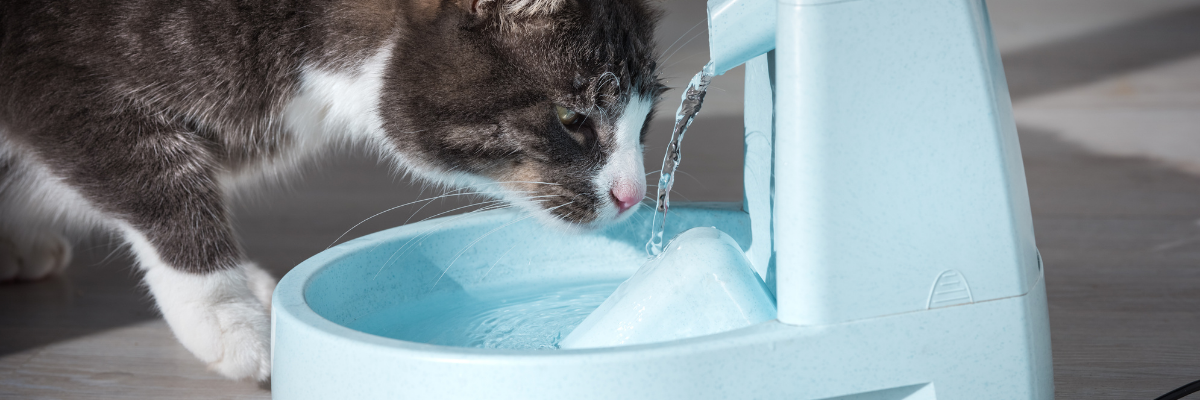
- Consider a Pet Water Fountain: Many pets are attracted to the sound and movement of running water. A pet water fountain can encourage them to drink more.
- Add Flavor to the Water: Add a small amount of low-sodium chicken or beef broth to your pet’s water to make it more appealing. Be sure to use a broth that is free of onions and garlic, which are toxic to pets.
- Offer Wet Food: If your pet primarily eats dry food, consider adding some wet food to their diet to increase their water intake.
- Make Frozen Treats: Freeze water or diluted broth in ice cube trays or popsicle molds for a refreshing and hydrating treat. You can even add small pieces of fruit or vegetables.
- Hydrate During and After Exercise: Offer your pet water frequently during and after exercise.
- For Cats: Think Vertical! Cats often prefer elevated water sources. Try placing a water bowl on a counter or shelf.
- Ensure Easy Access: Make sure water bowls are accessible, especially for older pets or those with mobility issues.
Hydration and Specific Pet Types: A Quick Guide
While the general principles of hydration apply to all pets, there are some specific considerations for different species:
- Dogs: Dogs are generally good drinkers, but it’s still important to monitor their water intake, especially during hot weather or after exercise.
- Cats: Cats are often less enthusiastic about drinking water. Encouraging them to drink can be a challenge, but the tips above can help.
- Rabbits: Rabbits need constant access to fresh, clean water. They can drink from a bowl or a sipper bottle. Clean the bottle regularly to prevent algae growth.
- Small Rodents (Hamsters, Gerbils, Mice): These small animals require fresh water daily, typically provided through a sipper bottle.
- Birds: Birds need fresh water for drinking and bathing. Provide a shallow dish of water that they can easily access.
- Reptiles: Reptiles get much of their water from their food, but they also need access to a shallow dish of water for drinking and soaking.
- Fish: Okay, this one’s a no-brainer! Maintaining clean and properly treated water is crucial for fish health.
When to Call the Vet: Don’t Delay!
While many cases of mild dehydration can be managed at home, it’s important to seek veterinary care if you notice any of the following:
- Severe Dehydration: Sunken eyes, extreme lethargy, and a very slow skin tent test indicate severe dehydration.
- Underlying Health Conditions: If your pet has a pre-existing health condition that may be contributing to dehydration, such as kidney disease or diabetes.
- Vomiting or Diarrhea: These conditions can lead to rapid fluid loss and dehydration.
- Refusal to Drink: If your pet is refusing to drink water, even when offered, it’s important to rule out any underlying medical issues.
- Any Other Concerning Symptoms: If you notice any other unusual symptoms along with signs of dehydration, such as difficulty breathing, seizures, or collapse, seek immediate veterinary care.
Frequently Asked Questions (FAQ)
- Can I give my pet tap water?
Tap water is generally safe, but if you have concerns about its quality, use filtered water. - Is it okay to give my pet bottled water?
Yes, bottled water is a safe alternative to tap water. - Can pets drink too much water?
Yes, overhydration (hyponatremia) can occur, especially in dogs who drink excessively after exercise. - Why is my pet suddenly drinking so much water?
Increased thirst can be a sign of underlying health conditions like diabetes or kidney disease; consult your vet. - How often should I clean my pet’s water bowl?
Clean your pet’s water bowl daily to prevent bacteria and algae growth.
The Takeaway: Hydration is Key to a Happy, Healthy Pet
Ensuring your pet gets enough water each day is a fundamental aspect of responsible pet ownership. By understanding their individual needs, recognizing the signs of dehydration, and implementing strategies to encourage hydration, you can help your furry, scaled, or feathered friend live a long, healthy, and happy life. Pay attention to your pet’s water intake and don’t hesitate to reach out to your veterinarian if you have any concerns.