
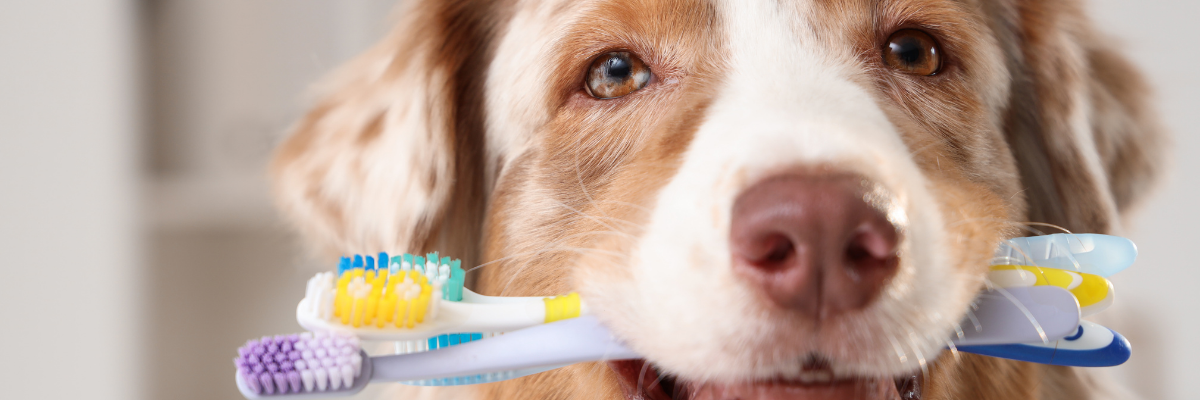
Imagine the agony of a throbbing toothache. Now, picture your furry friend experiencing that same pain, but unable to tell you. Dental disease in pets isn’t just about bad breath; it’s a serious health concern that can impact their overall well-being and lifespan. Neglecting your pet’s pearly whites can lead to a cascade of problems, making proactive dental care one of the most important things you can do for their long and happy life.
Bad Breath Isn’t Just Bad Breath: Understanding the Root of the Problem
Okay, so Fido’s breath could knock a buzzard off a meat wagon. We’ve all been there. But that pungent odor isn’t just a minor annoyance; it’s often the first sign of periodontal disease, the most common clinical condition in adult dogs and cats. Periodontal disease is an infection and inflammation of the tissues surrounding the teeth. Think of it as a silent invader, slowly wreaking havoc in your pet’s mouth.
- Plaque’s the Villain: It all starts with plaque, a sticky film of bacteria that constantly forms on your pet’s teeth.
- Calculus (Tartar) Enters the Scene: If plaque isn’t removed regularly, it hardens into calculus, or tartar, which is much more difficult to get rid of. This tartar provides a rough surface for even more bacteria to cling to.
- Inflammation Begins: The bacteria in plaque and tartar irritate the gums, causing gingivitis (inflammation of the gums). This is often reversible with professional cleaning and good home care.
- Periodontitis Develops: If gingivitis isn’t treated, it can progress to periodontitis, where the infection spreads below the gum line, damaging the tissues and bone that support the teeth. This is not reversible and can lead to tooth loss.
More Than Just Teeth: How Dental Disease Impacts Overall Health
The problems don’t stop in the mouth. The bacteria from periodontal disease can enter the bloodstream and travel to other organs, potentially causing serious health issues.
- Heart Disease: Studies have shown a link between periodontal disease and heart disease in dogs. The inflammation caused by dental disease can damage the heart valves and lead to other heart problems.
- Kidney Disease: The kidneys filter waste from the blood, and the inflammation associated with periodontal disease can damage these delicate organs, leading to kidney disease.
- Liver Disease: Similarly, the liver, which filters toxins from the blood, can also be affected by the inflammation caused by dental disease.
- Diabetes: Dental disease can make it more difficult to regulate blood sugar levels in diabetic pets.
- Pain and Discomfort: Beyond the systemic health effects, imagine the constant pain and discomfort your pet experiences with advanced periodontal disease. They may have difficulty eating, chewing, or even playing.
Spotting the Signs: What to Look For
Early detection is key to managing dental disease and preventing serious health problems. Keep an eye out for these signs:
- Bad Breath: This is often the first and most obvious sign.
- Excessive Drooling: Especially if the saliva is tinged with blood.
- Difficulty Chewing or Eating: Your pet may drop food, chew on one side of the mouth, or refuse to eat hard food.
- Pawing at the Mouth: This could indicate pain or discomfort.
- Swollen or Bleeding Gums: Red, swollen, or bleeding gums are a clear sign of inflammation.
- Loose or Missing Teeth: This is a sign of advanced periodontal disease.
- Changes in Behavior: Your pet may become irritable, withdrawn, or less playful due to pain.
- Facial Swelling: In severe cases, infection can spread to the face, causing swelling.
If you notice any of these signs, it’s time to schedule a visit to your veterinarian.
The Gold Standard: Professional Dental Cleanings
Just like us, pets need professional dental cleanings to remove plaque and tartar buildup and prevent periodontal disease. These cleanings are typically performed under anesthesia to allow for a thorough examination and cleaning.
- Anesthesia is Necessary: Anesthesia allows the veterinarian to thoroughly examine the mouth, take dental X-rays, and clean below the gum line without causing pain or stress to the pet. It’s important to discuss any concerns about anesthesia with your veterinarian.
- What to Expect During a Dental Cleaning: The procedure typically involves:
- Physical Exam and Bloodwork: To ensure your pet is healthy enough for anesthesia.
- Anesthesia: Your pet will be given anesthesia to keep them comfortable and still during the procedure.
- Dental X-rays: To evaluate the health of the teeth below the gum line.
- Scaling and Polishing: Using specialized instruments to remove plaque and tartar above and below the gum line.
- Periodontal Probing: To assess the depth of the pockets around the teeth and identify areas of infection.
- Extractions (If Necessary): Severely damaged or infected teeth may need to be extracted.
- Fluoride Treatment: To strengthen the enamel and prevent future plaque buildup.
- Frequency of Cleanings: The frequency of professional dental cleanings depends on your pet’s individual needs and breed. Some pets may need cleanings every six months, while others may only need them once a year or every other year. Your veterinarian can help you determine the best schedule for your pet.
At-Home Dental Care: Your Daily Defense
Professional cleanings are essential, but they’re only part of the equation. Consistent at-home dental care is crucial for maintaining your pet’s oral health between cleanings.
- Brushing is Best: Just like for us, brushing your pet’s teeth is the most effective way to remove plaque and prevent tartar buildup.
- Start Slowly: Introduce brushing gradually, starting with just a few teeth at a time.
- Use Pet-Specific Toothpaste: Human toothpaste contains ingredients that can be harmful to pets.
- Use a Soft-Bristled Toothbrush: A toothbrush designed for pets or a soft-bristled toothbrush for children is ideal.
- Brush Daily: Aim to brush your pet’s teeth daily, or at least several times a week.
- Dental Chews and Treats: Dental chews and treats can help remove plaque and tartar as your pet chews.
- Choose Reputable Brands: Look for chews and treats that are approved by the Veterinary Oral Health Council (VOHC).
- Supervise Chewing: Always supervise your pet while they’re chewing on dental treats.
- Consider Calorie Content: Dental treats can be high in calories, so adjust your pet’s food intake accordingly.
- Dental Diets: Some pet food companies offer specialized dental diets that are formulated to help reduce plaque and tartar buildup.
- Larger Kibble Size: These diets often have larger kibble sizes that encourage chewing and help scrape away plaque.
- Enzymes and Minerals: Some dental diets contain enzymes or minerals that help prevent plaque and tartar formation.
- Water Additives: Water additives can help kill bacteria in the mouth and reduce plaque buildup.
- Easy to Use: Simply add the recommended amount to your pet’s water bowl.
- Consult Your Veterinarian: Talk to your veterinarian before using water additives, especially if your pet has any underlying health conditions.
Senior Pets: Special Considerations
As pets age, they become more susceptible to dental disease and other health problems. It’s important to pay extra attention to their dental health and make any necessary adjustments to their care routine.
- More Frequent Cleanings: Senior pets may need more frequent professional dental cleanings to manage their dental disease.
- Modified Home Care: If your senior pet has arthritis or other mobility issues, you may need to modify your home care routine to make it easier for them.
- Pre-Anesthetic Screening: Before any dental procedure, senior pets should undergo thorough pre-anesthetic screening to assess their overall health and minimize the risk of complications.
Frequently Asked Questions
Q: How often should I brush my pet’s teeth?
A: Ideally, you should brush your pet’s teeth daily. If that’s not possible, aim for at least several times a week.
Q: Are dental chews a good substitute for brushing?
A: Dental chews can help remove plaque and tartar, but they’re not a substitute for brushing. Think of them as a supplement to your regular dental care routine.
Q: Is anesthesia safe for dental cleanings?
A: Anesthesia always carries some risk, but it’s generally safe for dental cleanings when performed by a qualified veterinarian. Pre-anesthetic screening can help minimize the risk of complications.
Q: How much do professional dental cleanings cost?
A: The cost of a professional dental cleaning can vary depending on the location, the veterinarian, and the severity of your pet’s dental disease. It’s best to get an estimate from your veterinarian.
Q: What if my pet won’t let me brush their teeth?
A: Start slowly and gradually introduce brushing. Use positive reinforcement, such as treats and praise, to make the experience more enjoyable for your pet. If you’re still having trouble, talk to your veterinarian or a veterinary dental specialist for advice.
The Takeaway
Dental care for pets is more than just a cosmetic issue; it’s a vital part of their overall health and well-being. By understanding the importance of dental care, recognizing the signs of dental disease, and implementing a proactive dental care routine, you can help your furry friend live a longer, healthier, and happier life. Make a commitment to their oral health today – they’ll thank you for it (maybe with a slobbery, but healthier, kiss!).