
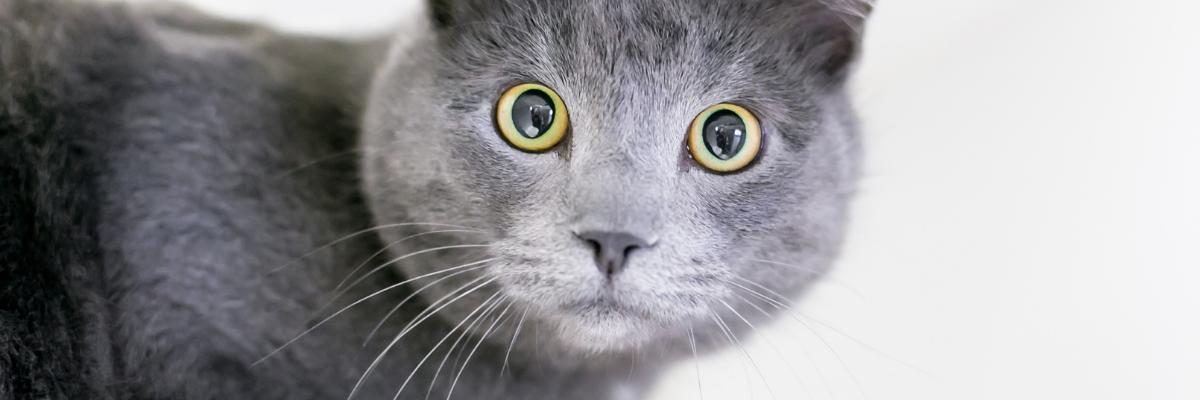
We all want our pets to live their best lives – filled with cuddles, playtime, and endless bowls of delicious food. But sometimes, beneath the wagging tails and purrs, lies a hidden struggle: anxiety. Just like us, our furry companions can experience fear, stress, and worry. Recognizing the signs of anxiety in your pet is the first step towards helping them find peace and happiness.
Understanding Pet Anxiety: It’s More Common Than You Think
Anxiety in pets isn’t just about being “nervous” around thunderstorms. It’s a complex emotional response that can manifest in various ways, and it can be triggered by a multitude of factors. Think of it like this: if you were constantly surrounded by unpredictable noises, changes to your routine, or situations where you felt unsafe, you’d likely experience anxiety too, right? Our pets are no different.
Okay, But What Actually Causes Pet Anxiety?
Pinpointing the exact cause of your pet’s anxiety can sometimes feel like detective work, but here are some of the most common culprits:
- Separation Anxiety: This is a big one, especially for dogs. It happens when a pet becomes overly attached to their owner and experiences distress when left alone.
- Noise Anxiety: Fireworks, thunderstorms, construction noises… the list goes on! Loud or unpredictable sounds can be incredibly frightening for many animals.
- Social Anxiety: Some pets struggle in social situations, whether it’s meeting new people, interacting with other animals, or even just being in a crowded environment.
- Travel Anxiety: Car rides, plane trips, even vet visits can trigger anxiety for pets who associate them with negative experiences.
- Age-Related Anxiety: As pets age, they can develop cognitive dysfunction (similar to Alzheimer’s in humans), which can lead to confusion, disorientation, and anxiety.
- Past Trauma: A history of abuse, neglect, or abandonment can leave lasting emotional scars that contribute to anxiety.
- Medical Conditions: Sometimes, underlying medical issues can cause or exacerbate anxiety. It’s always a good idea to rule out any potential health problems with your vet.
Decoding Your Pet’s Distress Signals: How to Spot the Signs
The key to helping your anxious pet is learning to recognize the signs. These can vary depending on the type of anxiety and the individual animal, but here are some common indicators:
Signs in Dogs:
- Excessive Barking or Howling: This is often a sign of separation anxiety or noise anxiety.
- Destructive Behavior: Chewing furniture, scratching doors, or digging can be a way for anxious dogs to release pent-up energy.
- Pacing or Restlessness: Anxious dogs may have difficulty settling down and may constantly pace back and forth.
- Trembling or Shaking: This is a physical manifestation of fear and anxiety.
- Panting (Even When Not Hot): Excessive panting can be a sign of stress.
- Drooling: Similar to panting, excessive drooling can indicate anxiety.
- Hiding: Anxious dogs may seek out secluded places to hide and feel safe.
- Urinating or Defecating Indoors: This can be a sign of separation anxiety or fear.
- Aggression: In some cases, anxiety can manifest as aggression towards people or other animals.
- Lip Licking and Yawning (When Not Tired): These can be subtle signs of discomfort and stress.
- Tail Tucked Between Legs: A classic sign of fear and submission.
- Ears Pinned Back: Another indication of fear or anxiety.
- Changes in Appetite: Some anxious dogs may lose their appetite, while others may overeat.
Signs in Cats:
- Hiding: Cats are masters of disguise, and hiding is a common way for them to cope with anxiety.
- Excessive Vocalization: Anxious cats may meow excessively, often in a high-pitched or distressed tone.
- Inappropriate Elimination: Urinating or defecating outside the litter box can be a sign of stress or anxiety.
- Overgrooming: Licking excessively can be a way for anxious cats to self-soothe. This can sometimes lead to bald patches.
- Scratching Furniture: While scratching is normal cat behavior, increased scratching can indicate anxiety.
- Aggression: Anxious cats may become aggressive towards people or other animals.
- Changes in Appetite: Similar to dogs, anxious cats may experience a loss of appetite or overeat.
- Restlessness: Anxious cats may have difficulty settling down and may constantly pace around.
- Dilated Pupils: A sign of fear or stress.
- Flattened Ears: Another indication of fear or anxiety.
So, You Think Your Pet is Anxious… Now What? Time for Some TLC (and Maybe a Vet Visit!)
Once you’ve identified potential signs of anxiety, it’s time to take action. Here’s a breakdown of steps you can take to help your furry friend:
- Rule Out Medical Causes: This is crucial. Schedule a visit with your veterinarian to rule out any underlying medical conditions that could be contributing to your pet’s anxiety. They can perform a physical exam and run tests to identify any potential health problems.
- Create a Safe and Predictable Environment: Pets thrive on routine and predictability. Establish a consistent daily schedule for feeding, walks, playtime, and bedtime. This can help reduce their overall anxiety levels. Make sure they have a safe and comfortable space to retreat to when they feel overwhelmed.
- Identify and Minimize Triggers: Once you know what triggers your pet’s anxiety, try to minimize their exposure to those triggers. For example, if your dog is afraid of thunderstorms, create a safe space for them during storms, such as a crate with blankets and toys. You can also use white noise or calming music to help mask the sound of thunder.
- Positive Reinforcement Training: Training can be a great way to build your pet’s confidence and reduce anxiety. Use positive reinforcement techniques, such as treats and praise, to reward desired behaviors. Avoid punishment, as this can worsen anxiety.
- Desensitization and Counterconditioning: These techniques involve gradually exposing your pet to their triggers in a controlled and positive way. Desensitization involves exposing your pet to the trigger at a low intensity and gradually increasing the intensity over time. Counterconditioning involves associating the trigger with something positive, such as treats or praise.
- Enrichment and Exercise: Providing your pet with plenty of enrichment and exercise can help reduce anxiety by burning off excess energy and providing mental stimulation. This could include puzzle toys, chew toys, walks, playtime, and social interaction.
- Consider Calming Aids: There are a variety of calming aids available for pets, including:
- Pheromone Products: These products mimic natural pheromones that can help calm and reassure pets. They are available in diffusers, sprays, and collars.
- Supplements: Some supplements, such as L-theanine, chamomile, and melatonin, have calming properties. Always consult with your veterinarian before giving your pet any supplements.
- Anxiety Vests: These vests apply gentle pressure to the pet’s body, which can have a calming effect.
- Prescription Medications: In severe cases of anxiety, your veterinarian may recommend prescription medications, such as anti-anxiety drugs or antidepressants.
- Consult with a Veterinary Behaviorist: If your pet’s anxiety is severe or if you’re struggling to manage it on your own, consider consulting with a veterinary behaviorist. These specialists are experts in animal behavior and can help you develop a comprehensive treatment plan for your pet.
Important Note: Never force your pet into a situation that makes them anxious. This can worsen their anxiety and damage your relationship with them. Always be patient and understanding, and allow your pet to progress at their own pace.
Frequently Asked Questions: Anxiety Edition
- How do I know if my pet’s behavior is normal or a sign of anxiety? Look for changes in their typical behavior, like increased hiding, excessive vocalization, or destructive behavior.
- Can I just ignore my pet’s anxiety and hope it goes away? No, ignoring anxiety can make it worse. It’s important to address the underlying cause and provide support.
- Are some breeds more prone to anxiety than others? Yes, some breeds are predisposed to certain types of anxiety, but any pet can develop anxiety.
- How long does it take to treat pet anxiety? It varies depending on the severity and cause of the anxiety, but it often requires a long-term commitment.
- Is it okay to punish my pet for anxious behaviors? No, punishment can worsen anxiety and damage your relationship with your pet. Use positive reinforcement instead.
The Takeaway
Recognizing and addressing pet anxiety is crucial for their well-being and happiness. By understanding the causes, spotting the signs, and implementing appropriate strategies, you can help your furry friend live a calmer, more fulfilling life. Remember to consult with your veterinarian or a veterinary behaviorist for personalized guidance and support.