
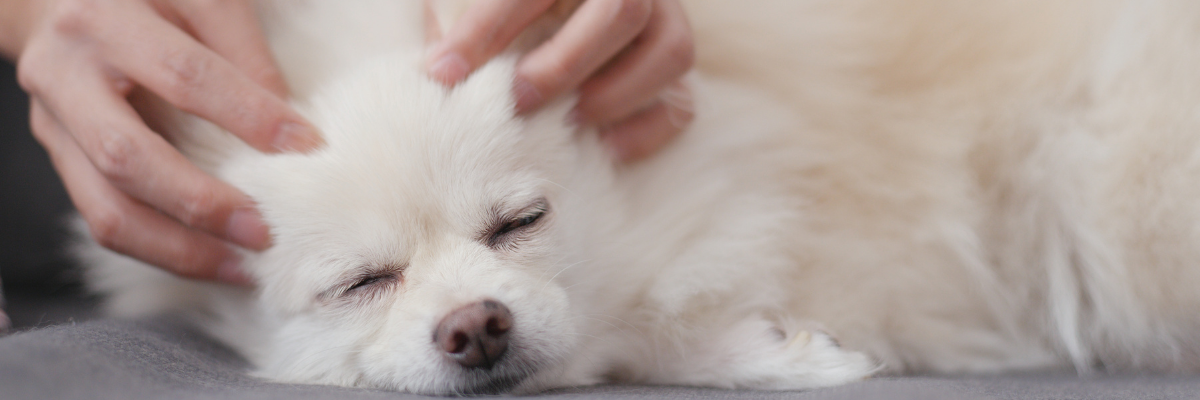
Ever notice how your pet seems to carry the weight of the world on their tiny shoulders (or paws)? Just like us, our beloved companions experience stress and anxiety. But unlike us, they can’t exactly book a spa day or vent to a friend over coffee. That’s where pet massage comes in – a simple yet powerful way to ease their tension, promote relaxation, and strengthen the bond you share.
Why Should I Even Bother with Pet Massage? Isn’t it Just Rubbing My Dog?
Okay, okay, I get it. The idea of “massaging” your pet might sound a little…extra. But trust me, it’s so much more than just a fancy rubdown. Think of it as targeted touch therapy that can work wonders for your pet’s physical and emotional well-being. Here’s the lowdown on why pet massage deserves a spot in your routine:
- Stress Buster Extraordinaire: Just like human massage, pet massage can help reduce levels of cortisol, the stress hormone. This is especially helpful for anxious pets, those recovering from surgery, or even just pets adjusting to a new environment.
- Pain Relief Powerhouse: Massage can help alleviate pain associated with arthritis, hip dysplasia, muscle strains, and other common ailments. By increasing blood flow and loosening tight muscles, it can improve mobility and comfort.
- Bonding Bonanza: Spending quality time with your pet, focusing on their needs and responding to their cues, deepens your connection. It’s a beautiful way to say, “I see you, I love you, and I’m here for you.”
- Early Detection Advocate: As you’re massaging your pet, you’ll become more familiar with their body. This allows you to notice any lumps, bumps, or areas of sensitivity that might warrant a vet visit. Think of it as a mini health check with added cuddles!
- Improved Circulation Champion: Massage stimulates blood flow, which helps deliver oxygen and nutrients to tissues and organs. This can boost overall health and vitality.
Alright, I’m Intrigued! Where Do I Even Start?
Before you dive in, it’s crucial to understand a few key principles. Pet massage isn’t about applying deep pressure like you might experience in a human massage. It’s about gentle, mindful touch that respects your pet’s boundaries and comfort level.
1. Setting the Scene for Serenity:
- Choose the Right Time and Place: Pick a quiet time when your pet is already relaxed, like after a walk or during their usual nap time. A familiar and comfortable environment is key.
- Read Your Pet’s Body Language: Observe your pet closely for signs of comfort and discomfort. If they pull away, tense up, or show any signs of distress, stop immediately.
- Start Slowly and Gently: Begin with light strokes and gradually increase pressure as your pet becomes more comfortable.
- Keep it Short and Sweet: Start with 5-10 minute sessions and gradually increase the duration as your pet tolerates it.
- Positive Reinforcement is Your Best Friend: Use gentle praise and treats to reward your pet for their cooperation.
2. Mastering the Basic Massage Techniques:
- Effleurage (Gentle Stroking): This is the foundation of pet massage. Use long, smooth strokes with the flat of your hand to warm up the muscles and improve circulation. Start at the head and neck and work your way down the body.
- Petrissage (Kneading): This technique involves gently lifting and squeezing the muscles. Use your fingertips or the pads of your thumbs to knead small areas, such as the neck, shoulders, and legs. Be very gentle!
- Tapotement (Tapping): This technique involves light tapping or drumming with your fingertips. It can help stimulate nerve endings and improve circulation. Use it sparingly and avoid bony areas.
- Friction (Circular Movements): Use your fingertips to make small, circular movements over specific areas of tension or knots. This can help break up adhesions and relieve pain.
3. Targeting Common Tension Zones:
- Neck and Shoulders: Many pets carry tension in their neck and shoulders, especially those who pull on the leash or spend a lot of time looking up. Use gentle effleurage and petrissage to release tension in these areas.
- Back: The back is a large muscle group that can benefit from long, smooth strokes. Pay attention to any areas of sensitivity or stiffness.
- Legs: Massage the legs to improve circulation and relieve muscle soreness. Be gentle around the joints, especially if your pet has arthritis.
- Paws: Many pets enjoy having their paws massaged. Gently rub each toe and the pads of the paws.
Important Safety Considerations: Don’t Be a Massage Menace!
While pet massage is generally safe, there are certain situations where it should be avoided or modified:
- Open Wounds or Infections: Avoid massaging any areas with open wounds, infections, or inflammation.
- Recent Surgery: Consult with your veterinarian before massaging your pet after surgery.
- Certain Medical Conditions: Pets with certain medical conditions, such as heart disease, cancer, or blood clotting disorders, may not be suitable for massage. Always check with your vet first.
- Pregnancy: Avoid massaging pregnant pets, especially in the abdominal area.
- If Your Pet Says NO: The most important rule is to respect your pet’s boundaries. If they are uncomfortable or resistant, stop immediately.
Specific Considerations for Different Pets:
- Dogs: Dogs generally respond well to massage, but individual preferences vary. Pay attention to your dog’s body language and adjust your technique accordingly.
- Cats: Cats are often more sensitive to touch than dogs. Start with very gentle strokes and avoid forcing them to stay in one position.
- Rabbits: Rabbits are very delicate creatures. Use extremely gentle strokes and avoid any pressure on their spine.
- Other Small Animals: If you have other small animals, such as guinea pigs or hamsters, consult with a veterinarian or animal massage therapist before attempting massage.
Taking it to the Next Level: When to Call in the Pros
While you can certainly learn basic pet massage techniques at home, there are times when it’s best to consult with a professional animal massage therapist. They have specialized training and experience that can help address more complex issues.
- Chronic Pain: If your pet is suffering from chronic pain, such as arthritis or hip dysplasia, a professional massage therapist can develop a customized treatment plan.
- Rehabilitation: Massage can be a valuable part of rehabilitation after surgery or injury.
- Performance Enhancement: Massage can help improve athletic performance in working dogs or show animals.
- Behavioral Issues: In some cases, massage can help reduce anxiety and improve behavior in pets with behavioral issues.
Frequently Asked Questions (FAQ): Your Burning Questions Answered!
- How often should I massage my pet?
Start with a few times a week and adjust based on your pet’s response. Consistency is key! - Can I use essential oils during pet massage?
Be very cautious with essential oils! Many are toxic to pets. Always consult with a veterinarian or qualified aromatherapist before using essential oils on your pet. - What if my pet doesn’t like being touched?
Start slowly and gradually introduce touch in a positive way. Focus on areas where they enjoy being petted, like the head or neck. - Can I massage my pet if they have a medical condition?
Always consult with your veterinarian before massaging your pet if they have any medical conditions. - Where can I find a qualified animal massage therapist?
Ask your veterinarian for a referral or search online for certified animal massage therapists in your area.
Ready to Get Started? A Few Final Pointers…
Pet massage is a wonderful way to connect with your furry friend, ease their stress, and improve their overall well-being. Remember to be patient, gentle, and always listen to your pet’s cues. Start slowly, practice regularly, and enjoy the bonding experience!
So, dim the lights, put on some relaxing music (for you and your pet!), and get ready to give your furry friend the gift of relaxation – they deserve it.