
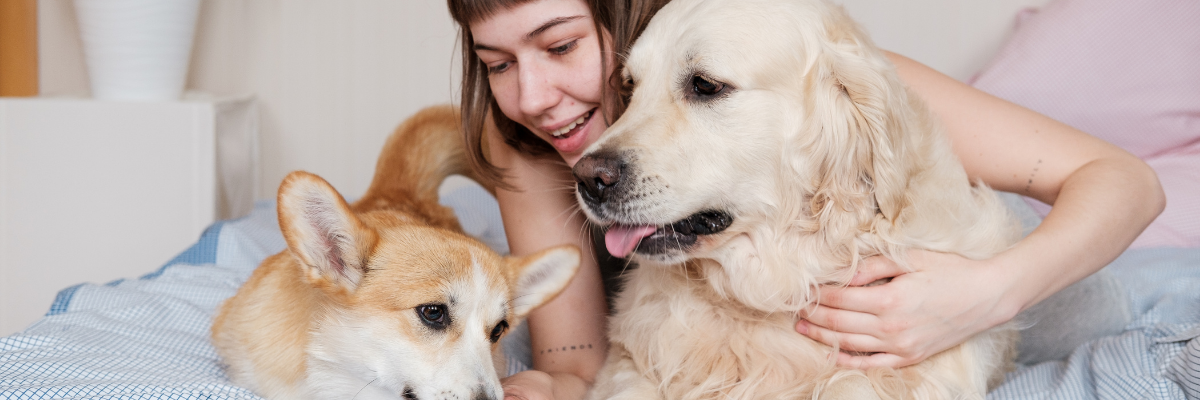
Bringing a furry, feathered, or scaled friend into your home is one of life’s greatest joys. But let’s be honest, that joy can quickly turn into a frantic scramble to salvage your favorite shoes, protect your precious plants, and prevent your new family member from ingesting something that could send them to the vet. Pet-proofing isn’t just about protecting your belongings; it’s about creating a safe and enriching environment where your pet can thrive, and you can relax knowing they’re out of harm’s way.
Think Like a Pet: Seeing the World From Their Perspective
Before you start hauling furniture and duct-taping every electrical cord in sight, take a moment to think like your pet. What are their natural instincts? Are they chewers, climbers, diggers, or explorers? Are they motivated by food, attention, or simply the thrill of the unknown? Understanding your pet’s unique personality and behavioral tendencies is the first crucial step in effective pet-proofing. Get down on your hands and knees and literally see the world from their level. You’ll be surprised at the dangers you uncover that you wouldn’t normally notice standing upright!
The Living Room: Where Comfort Meets Potential Disaster
The living room, often the heart of the home, is also a potential minefield for curious pets. Here’s how to transform it into a safe haven:
- Cord Control is Key: Electrical cords are irresistible chew toys for many pets, especially puppies and kittens. Invest in cord protectors, cable organizers, or even better, conceal cords behind furniture or inside wall-mounted raceways. Regularly check cords for any signs of damage.
- Furniture Fortification: Protect your furniture from scratches and stains with slipcovers or blankets. Consider investing in pet-friendly fabrics that are durable and easy to clean. For furniture with exposed wooden legs, apply bitter apple spray to deter chewing.
- Plant Patrol: Many common houseplants are toxic to pets. Research which plants are safe and which are not. Keep toxic plants out of reach (high shelves or hanging baskets) or, better yet, replace them with pet-friendly alternatives like spider plants or prayer plants.
- Secure Your Valuables: Pack away delicate items or display them in secure cabinets. Curious paws can easily knock over vases, picture frames, and other fragile objects.
- Create a Designated Pet Zone: Provide your pet with a comfortable and safe space of their own, such as a bed, crate, or playpen. This gives them a sense of security and helps them avoid getting into trouble.
The Kitchen: A Culinary Catastrophe Waiting to Happen
The kitchen, with its tantalizing smells and readily available snacks, is a magnet for pets. But it’s also one of the most dangerous rooms in the house.
- Countertop Conundrums: Never leave food unattended on countertops. Even the most well-behaved pets can be tempted by a stray piece of chicken or a forgotten slice of pizza. Be especially vigilant about keeping chocolate, onions, garlic, grapes, raisins, and avocados out of reach, as these are all toxic to pets.
- Trash Can Takedown: Secure your trash can with a lid that pets can’t open. Consider using a trash can with a foot pedal or storing it inside a cabinet.
- Cleaning Chemical Chaos: Store all cleaning products, detergents, and pesticides in locked cabinets or high shelves. Even a small amount of these substances can be fatal if ingested.
- Appliance Alert: Keep pets away from hot appliances like ovens and stoves. Consider using oven knob covers to prevent accidental activation.
- Dishwasher Dangers: Don’t let your pet lick dishes before they go in the dishwasher. Detergents and food residue can be harmful.
- Secure Food Storage: Store pet food in airtight containers to prevent pests and keep your pet from overeating.
The Bathroom: A Wet and Wild Risk Zone
The bathroom, with its slippery surfaces and potential drowning hazards, requires careful pet-proofing.
- Toilet Trauma: Keep the toilet lid closed to prevent pets from drinking the water (which can contain cleaning chemicals) or, worse, falling in.
- Medication Mishaps: Store all medications, both human and pet, in locked cabinets or high shelves. Even over-the-counter medications like ibuprofen and acetaminophen can be deadly to pets.
- Grooming Gear Guard: Keep razors, scissors, and other grooming tools out of reach.
- Cleaning Product Precautions: As in the kitchen, store all cleaning products in locked cabinets or high shelves.
- Electrical Escapades: Keep electrical appliances like hair dryers and curling irons unplugged and stored away when not in use.
The Bedroom: A Cozy Cave or a Chew Toy Paradise?
Your bedroom should be a sanctuary for both you and your pet, but it also presents some unique pet-proofing challenges.
- Shoe Shenanigans: If your pet is a shoe chewer, store your shoes in a closet or shoe rack.
- Jewelry Jitters: Keep jewelry and other small objects out of reach. These can be easily swallowed and cause intestinal blockages.
- Laundry List of Risks: Keep laundry baskets covered or stored in a closet to prevent pets from chewing on clothes or ingesting small items like buttons and zippers.
- Bedtime Boundaries: Decide whether or not you want your pet to sleep in your bed. If not, provide them with a comfortable bed of their own in the bedroom.
- Dresser Drawers Dilemma: Keep dresser drawers closed to prevent pets from climbing inside and getting trapped.
Beyond the Basics: Outdoor Oasis Safety
Pet-proofing isn’t just limited to the inside of your home. Your yard and outdoor spaces also require attention.
- Fencing Fundamentals: Ensure your yard is securely fenced to prevent your pet from escaping. Regularly inspect the fence for any holes or weak spots.
- Garden Guardians: Research which plants are toxic to pets and avoid planting them in your garden. Use pet-safe fertilizers and pesticides.
- Pool Patrol: If you have a pool, ensure your pet knows how to swim and can easily exit the pool. Consider installing a pool fence or alarm.
- Shed Security: Store all gardening tools, chemicals, and fertilizers in a locked shed or garage.
- Compost Concerns: Keep compost bins covered to prevent pets from ingesting rotting food.
- Hazardous Hideaways: Check for any potential hazards in your yard, such as sharp objects, construction debris, or exposed wiring.
Training Triumphs: Prevention Through Education
Pet-proofing your home is only half the battle. Training your pet is equally important. Teach them basic commands like "leave it," "stay," and "come." This can help you prevent them from getting into trouble and keep them safe. Positive reinforcement training methods are the most effective and humane.
The Power of Observation: Always Be Watching
Even with the most thorough pet-proofing efforts, it’s essential to remain vigilant. Observe your pet’s behavior and identify any potential hazards you may have overlooked. Regularly inspect your home for any signs of damage or wear and tear that could pose a threat to your pet.
Frequently Asked Questions
-
My dog chews everything! What can I do?
Provide plenty of appropriate chew toys and redirect their chewing behavior when they target something they shouldn’t. Bitter apple spray can also deter chewing. -
How do I keep my cat off the counters?
Use deterrents like double-sided tape or motion-activated spray cans. Provide plenty of vertical space, like cat trees, to satisfy their climbing instincts. -
Are essential oils safe for pets?
Many essential oils are toxic to pets. Diffuse them with caution and ensure your pet cannot ingest them. Always consult with your veterinarian before using essential oils around your pets. -
My pet keeps escaping! How can I stop them?
Identify the escape route and address the underlying cause. Ensure your fencing is secure and provide plenty of enrichment and exercise. -
What are the most common household toxins for pets?
Chocolate, grapes, raisins, onions, garlic, avocados, cleaning products, medications, and antifreeze are among the most common.
Your Pet-Proofing Checklist: A Quick Reference Guide
- Cords: Protect and conceal electrical cords.
- Furniture: Use slipcovers or pet-friendly fabrics.
- Plants: Identify and remove toxic plants.
- Cleaning Products: Store in locked cabinets.
- Medications: Store in locked cabinets.
- Trash Cans: Secure with lids.
- Food: Store properly and keep out of reach.
- Yard: Secure fencing and remove hazardous plants and objects.
- Training: Teach basic commands and provide enrichment.
Creating a pet-proof home is an ongoing process, not a one-time event. By taking the time to assess your home, understand your pet’s needs, and implement these safety measures, you can create a safe and happy environment for both you and your furry, feathered, or scaled companion. With a little planning and effort, you can enjoy the unconditional love and companionship of your pet without sacrificing your peace of mind.