
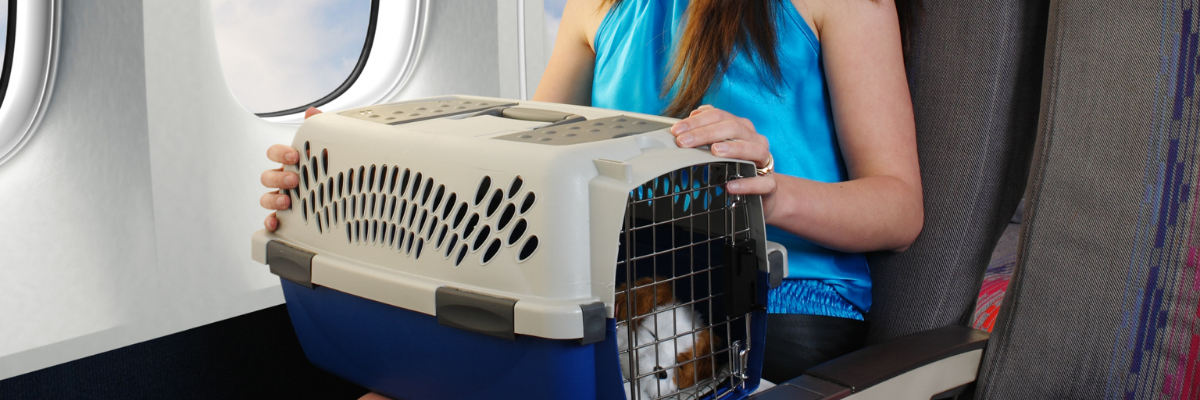
Dreaming of a vacation but dreading leaving your beloved pet behind? You’re not alone! More and more pet owners are choosing to bring their companions along for the adventure, and with a little planning, it can be a truly rewarding experience for everyone involved. Traveling with pets requires careful consideration, but the joy of sharing new experiences with your furry, scaled, or feathered friend is well worth the effort.
Before You Even Think About Packing: The Pre-Trip Paw-parations
Okay, so you’re thinking about bringing Whiskers or Rover along for the ride. Awesome! But before you start picturing them lounging on a tropical beach, let’s tackle the nitty-gritty prep work. This isn’t just about throwing a leash in your bag; it’s about ensuring your pet is healthy, safe, and comfortable throughout the journey.
- Vet Visit: The All-Clear is Crucial: This is non-negotiable. Schedule a check-up with your vet well in advance of your trip. They’ll make sure your pet is healthy enough to travel, update any necessary vaccinations (rabies is often a must!), and provide you with a health certificate, which you’ll likely need for air travel and crossing state or international borders. Discuss any specific travel concerns you have, like motion sickness or anxiety.
- Microchip Magic: Your Pet’s Lifeline: Make absolutely sure your pet is microchipped and that the contact information is up-to-date. This is your pet’s best chance of being reunited with you if they get lost. Double-check the microchip registration website to confirm your phone number and address are current.
- ID Tags: Another Layer of Security: Even with a microchip, a visible ID tag is essential. Include your pet’s name, your phone number, and a "Reward if Found" message. Consider adding a temporary tag with the address of your destination if you’re staying in one place for a while.
- Medication Matters: Don’t Leave Home Without It: If your pet requires medication, pack enough for the entire trip, plus a little extra in case of delays. Keep the medication in its original packaging with the prescription label. It’s also a good idea to get a copy of the prescription from your vet.
- Know the Rules: Destination and Transportation Regulations: Research the specific regulations for traveling with pets in your destination. Are there breed restrictions? Quarantine requirements? What are the airline or train’s pet policies? Knowing these details beforehand will save you a lot of headaches (and potentially prevent your pet from being turned away).
Hitting the Road: Car Travel Tips for Happy Passengers
Road trips with your pet can be a blast, but they require more than just letting them roam free in the backseat. Safety and comfort are paramount.
- Crate or Carrier: Buckle Up, Buddy! For their safety and yours, your pet should be secured in a crate or carrier that’s appropriately sized for them. This prevents them from distracting you while driving and protects them in case of an accident. If your pet is too large for a crate, use a pet seatbelt harness that attaches to the car’s seatbelt system.
- Gradual Introduction: Making the Car a Happy Place: If your pet isn’t used to car rides, start with short trips around the block. Gradually increase the duration of the trips so they become more comfortable with the experience. Reward them with treats and praise during and after the rides.
- Frequent Breaks: Stretch Those Legs (and Paws)! Plan for regular stops every two to three hours. Let your pet out to stretch their legs, drink water, and relieve themselves. Always keep them on a leash during these breaks to prevent them from running off.
- Never Leave Them Alone: Heat is a Killer. This is critical. Never, ever leave your pet unattended in a parked car, even for a few minutes. Temperatures inside a car can rise rapidly, even on mild days, leading to heatstroke and death.
- Water and Food: Stay Hydrated and Fueled: Pack plenty of fresh water and your pet’s regular food. Bring collapsible bowls for easy access. Avoid feeding them a large meal right before traveling to minimize the risk of motion sickness.
- Motion Sickness Solutions: If They’re Feeling Queasy: If your pet is prone to motion sickness, talk to your vet about possible remedies. They may recommend an over-the-counter medication or prescribe something stronger.
- Comfort Zone: Bring Familiar Items: Pack your pet’s favorite blanket, toys, and bed. These familiar items will help them feel more secure and relaxed during the journey.
- Pet-Friendly Accommodation: Plan Your Stops Wisely: Research and book pet-friendly hotels, motels, or campgrounds along your route. Many websites allow you to filter your search results to find accommodations that welcome pets.
Taking to the Skies: Air Travel Tips for Four-Legged Flyers
Flying with your pet can be more complex than car travel, but with careful planning, it can be done safely and comfortably.
- Airline Restrictions: Size, Breed, and Destination Matter: Each airline has its own specific rules and regulations regarding pet travel. Some airlines only allow small pets in the cabin, while others allow larger pets to travel in the cargo hold. Breed restrictions are also common. Contact the airline directly to confirm their policies and make a reservation for your pet well in advance.
- In-Cabin vs. Cargo: Weighing the Options: If your pet is small enough to travel in the cabin, that’s generally the preferred option. They’ll be with you throughout the flight, which can help reduce their stress. However, if your pet is too large, they’ll have to travel in the cargo hold, which can be a more stressful experience.
- Choosing the Right Crate: Size and Ventilation are Key: If your pet is traveling in the cargo hold, it’s essential to choose a crate that meets the airline’s requirements. The crate should be large enough for your pet to stand up, turn around, and lie down comfortably. It should also have adequate ventilation and a secure locking mechanism.
- Acclimating to the Crate: Practice Makes Perfect: Get your pet used to being in the crate well before the flight. Start with short periods of time and gradually increase the duration. Make the crate a positive experience by placing treats, toys, and their favorite blanket inside.
- Direct Flights: Minimize Travel Time and Stress: Whenever possible, book direct flights to minimize travel time and the number of layovers. This will reduce the stress on your pet.
- Health Certificate: A Must-Have for Air Travel: You’ll need a valid health certificate from your vet to fly with your pet. The certificate typically needs to be issued within 10 days of the flight.
- Sedation: A Controversial Topic: While some owners consider sedating their pets for air travel, it’s generally not recommended. Sedation can interfere with your pet’s ability to regulate their body temperature and can increase the risk of respiratory problems. Discuss this option with your vet before making a decision.
- At the Airport: Arrive Early and Stay Calm: Arrive at the airport with plenty of time to check in and go through security. Stay calm and reassuring around your pet, as they can sense your anxiety.
Beyond Dogs and Cats: Traveling with Other Types of Pets
While dogs and cats are the most common travel companions, other types of pets can also join in on the adventure. Here’s a quick rundown:
- Birds: Birds can travel well in carriers designed for them. Ensure proper ventilation and cover the cage to minimize stress. Be mindful of temperature changes.
- Small Mammals (Rabbits, Guinea Pigs, Hamsters): These critters are sensitive to stress and temperature fluctuations. Use a secure carrier with plenty of bedding and food. Avoid exposing them to extreme heat or cold.
- Reptiles: Reptiles require careful temperature control. Use a carrier with a heat source if necessary. Research specific regulations for transporting reptiles, as some species may be restricted.
- Fish: Traveling with fish is tricky and generally not recommended unless absolutely necessary. If you must, use a sealed bag with oxygenated water and minimize travel time.
Making it a Vacation for Everyone: Keeping Your Pet Happy on the Go
Okay, you’ve arrived at your destination! Now it’s time to make sure your pet enjoys the vacation as much as you do.
- Stick to the Routine: Familiarity Breeds Contentment: Try to maintain your pet’s regular feeding and exercise schedule as much as possible. This will help them feel more secure and comfortable in their new surroundings.
- Safe Exploration: Supervise and Protect: Explore your surroundings together, but always keep your pet on a leash or under close supervision. Be aware of potential hazards, such as poisonous plants, busy roads, and other animals.
- Respect Local Laws: Be a Responsible Pet Parent: Familiarize yourself with local leash laws, pet waste disposal regulations, and any other rules that apply to pet owners.
- Quiet Time: Everyone Needs a Break: Make sure your pet has a quiet and comfortable place to retreat to when they need a break from the excitement.
- Be Mindful of Others: Not Everyone Loves Pets as Much as You Do: Be considerate of other people who may not be as enthusiastic about pets. Keep your pet under control and clean up after them promptly.
Frequently Asked Questions
-
What do I do if my pet gets sick while traveling?
Find a local veterinarian immediately. Research vets near your destination before you leave, just in case. -
How can I prevent my pet from getting lost while traveling?
Ensure your pet has a microchip, ID tag, and is always on a leash in unfamiliar areas. -
Can I give my pet human medications for travel anxiety?
Never give your pet human medications without consulting your veterinarian first. -
What are some pet-friendly activities I can do on vacation?
Hiking, visiting dog parks, and dining at restaurants with outdoor seating are great options. -
How do I find pet-friendly accommodations?
Use websites like BringFido, Petswelcome, or filter by "pets allowed" on hotel booking sites.
Wrapping Up: Happy Trails to You and Your Furry Friend!
Traveling with your pet requires careful planning and preparation, but the rewards are immeasurable. By following these tips, you can ensure a safe, comfortable, and enjoyable journey for both you and your beloved companion, creating memories that will last a lifetime. So, pack your bags, grab that leash, and get ready for an unforgettable adventure together!